Samet Durgun, Photographer
What if photography is more about listening than seeing?
As a first-generation immigrant and queer artist living in Berlin, I've grappled with the question of belonging. I found connection with gender-nonconforming, queer, transgender refugees and asylum seekers in the city, whose intricate identities inspire deep respect in me. Full statement, biography and CV →
Come Get Your Honey, 2018–
There is only a queer, divine dissatisfaction, a blessed unrest that keeps us marching and makes us more alive than the others.
Martha Graham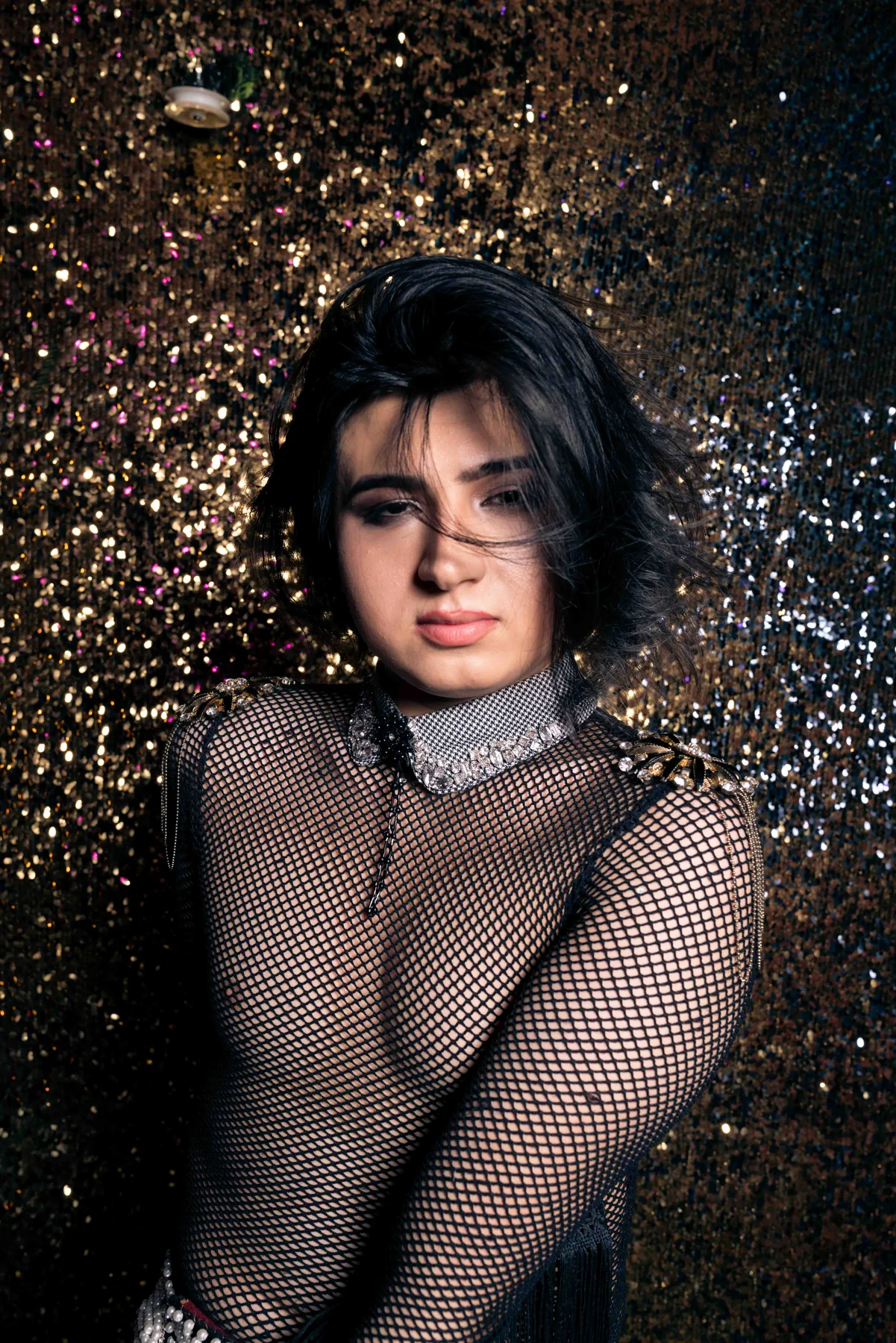
The book
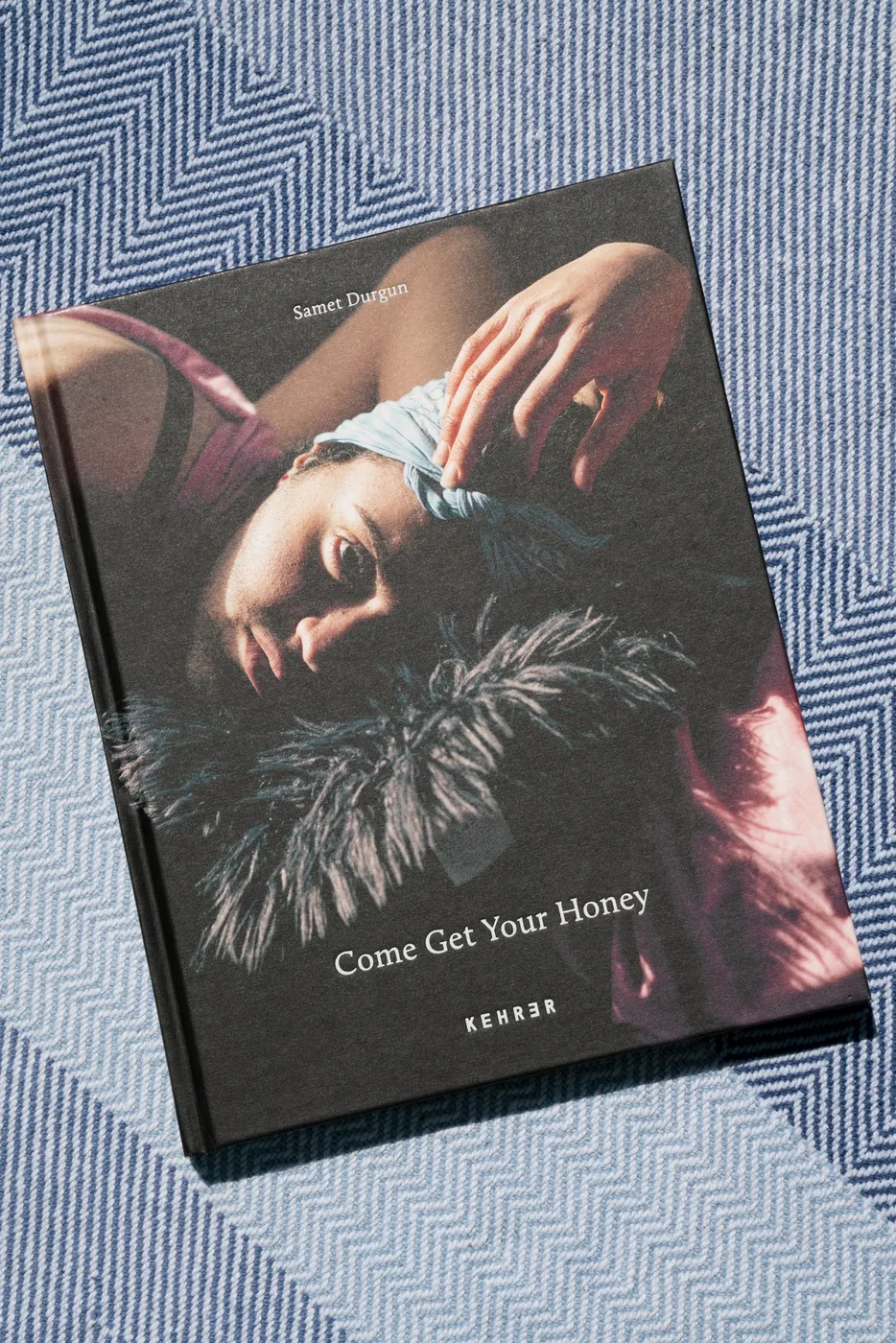
Come Get Your Honey
Kehrer Verlag, June 2021 · ISBN 978-3-96900-031-1
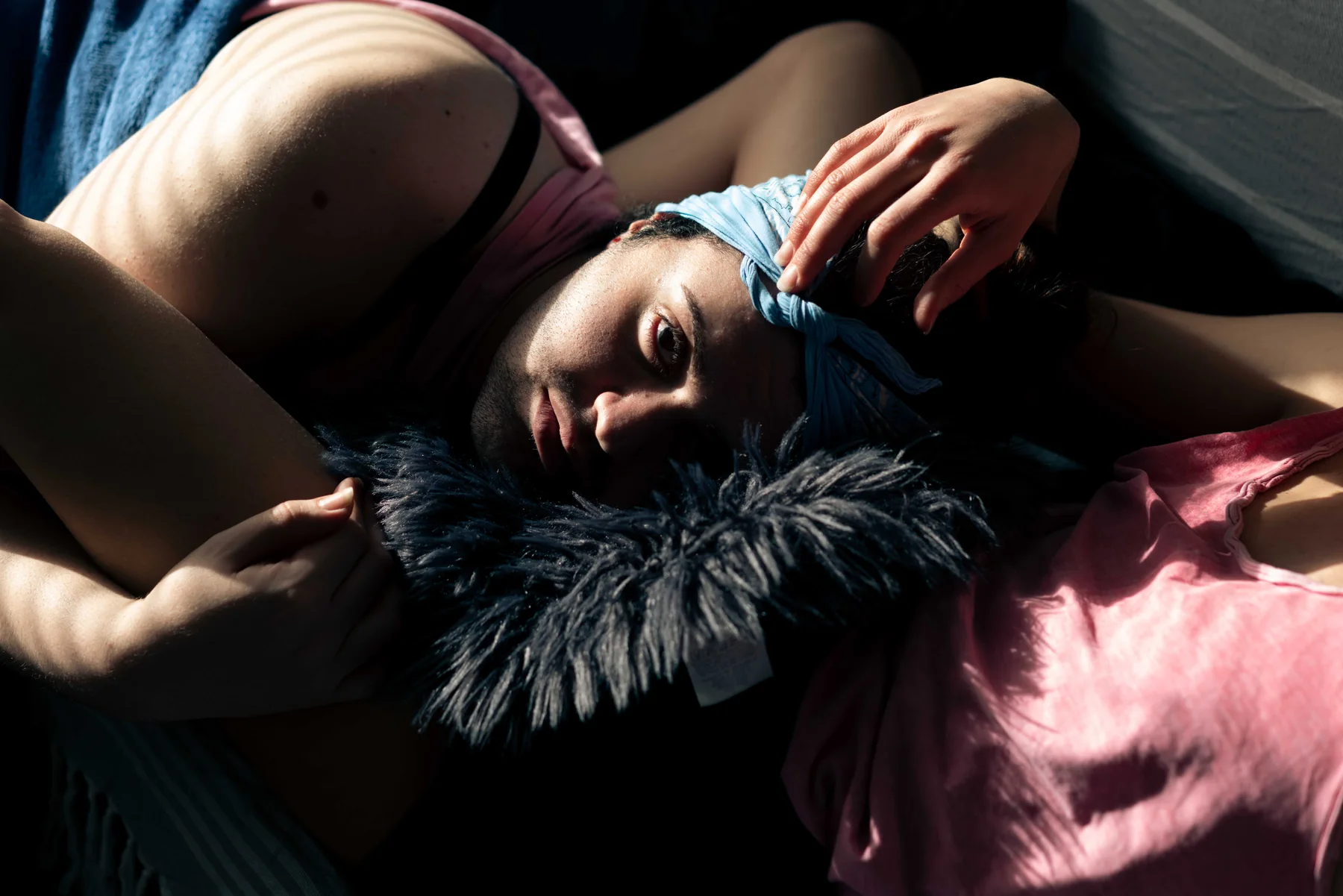
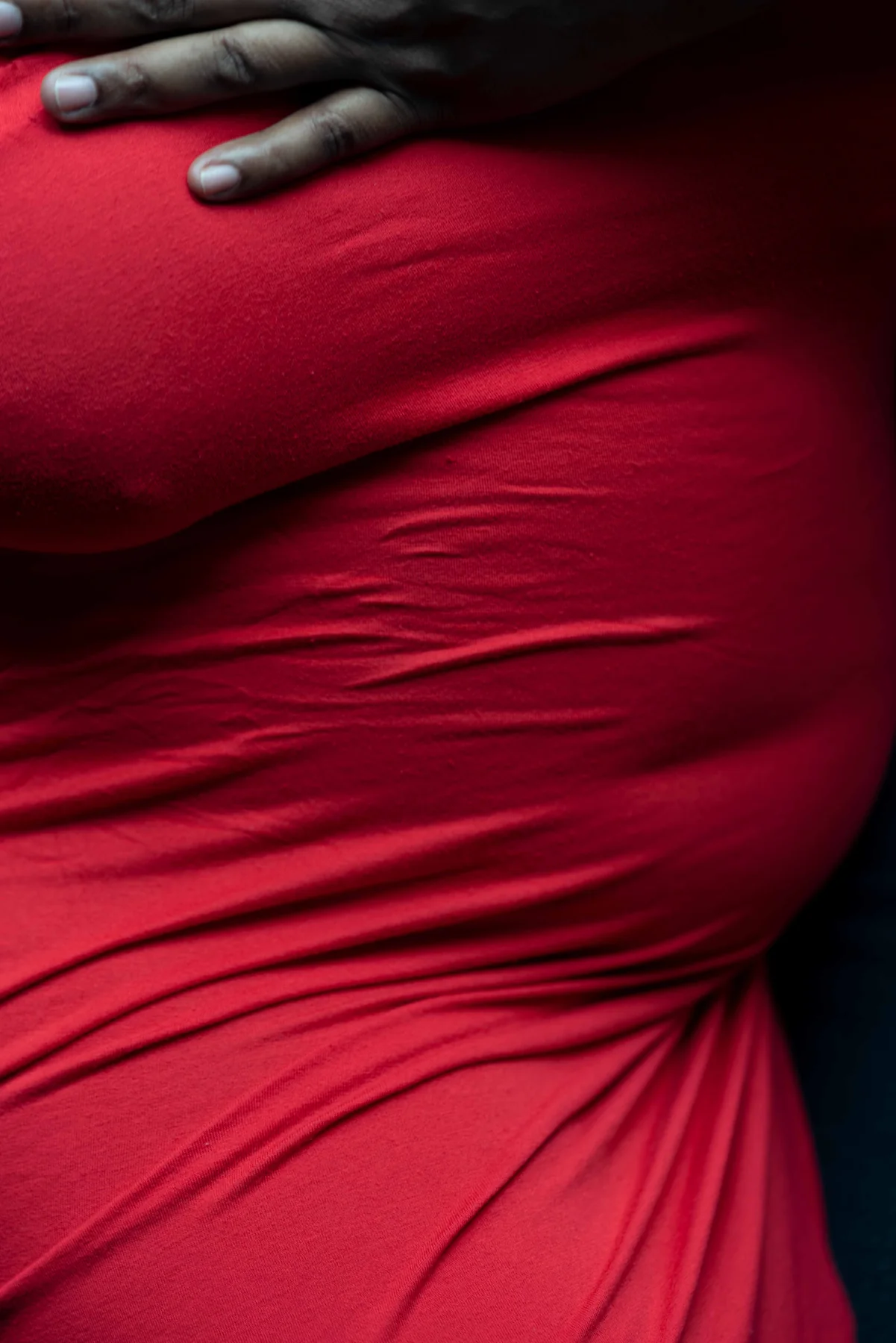
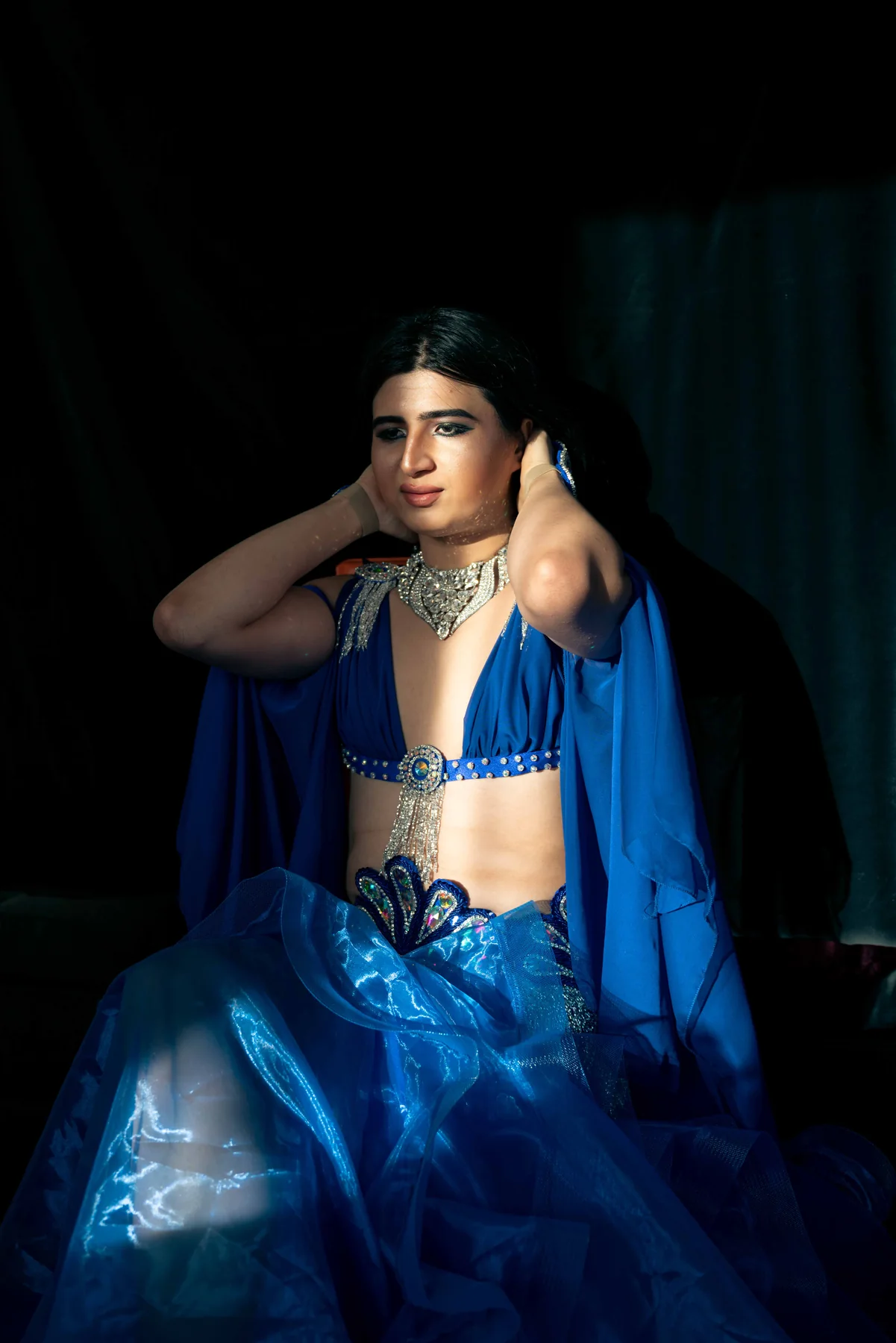
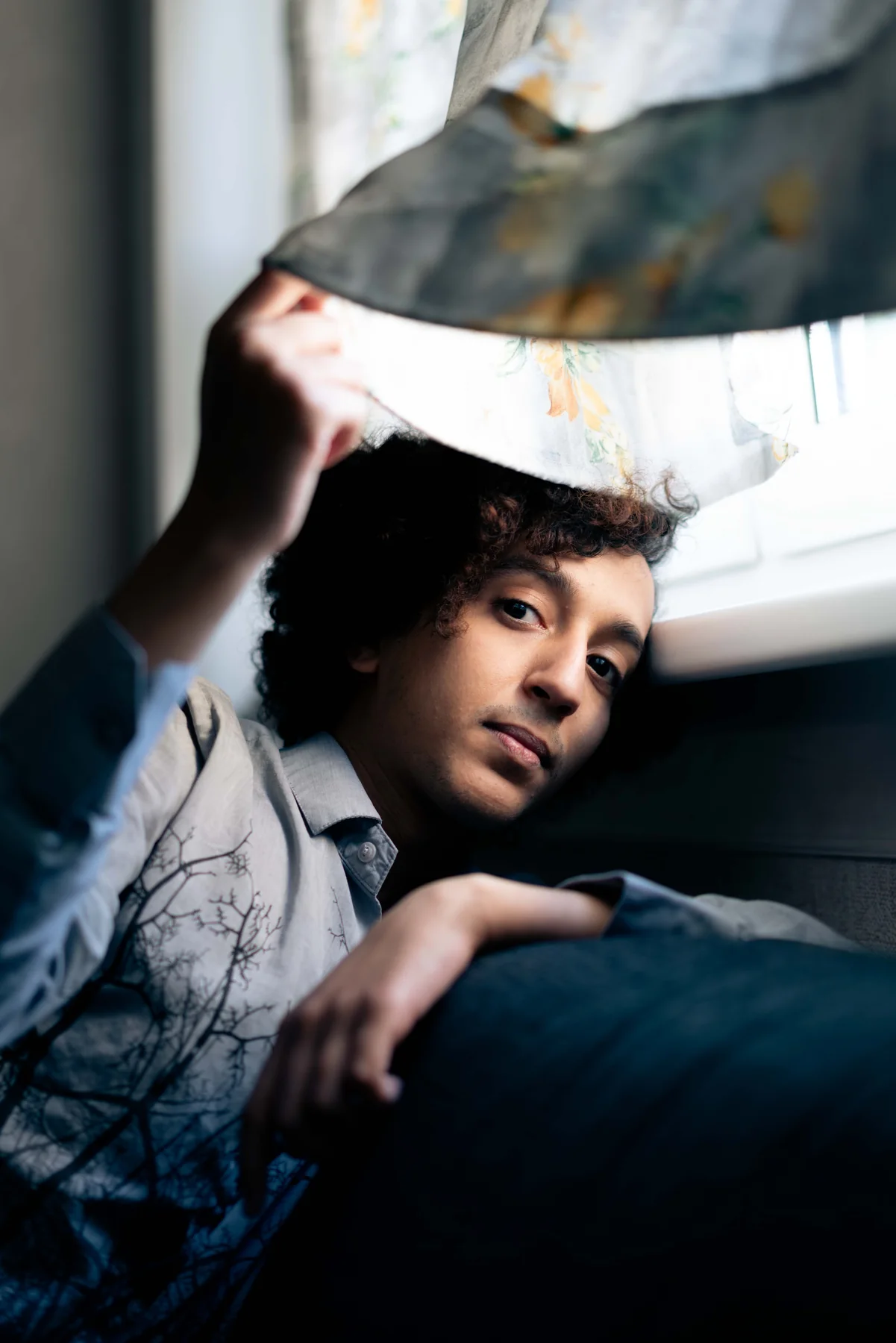
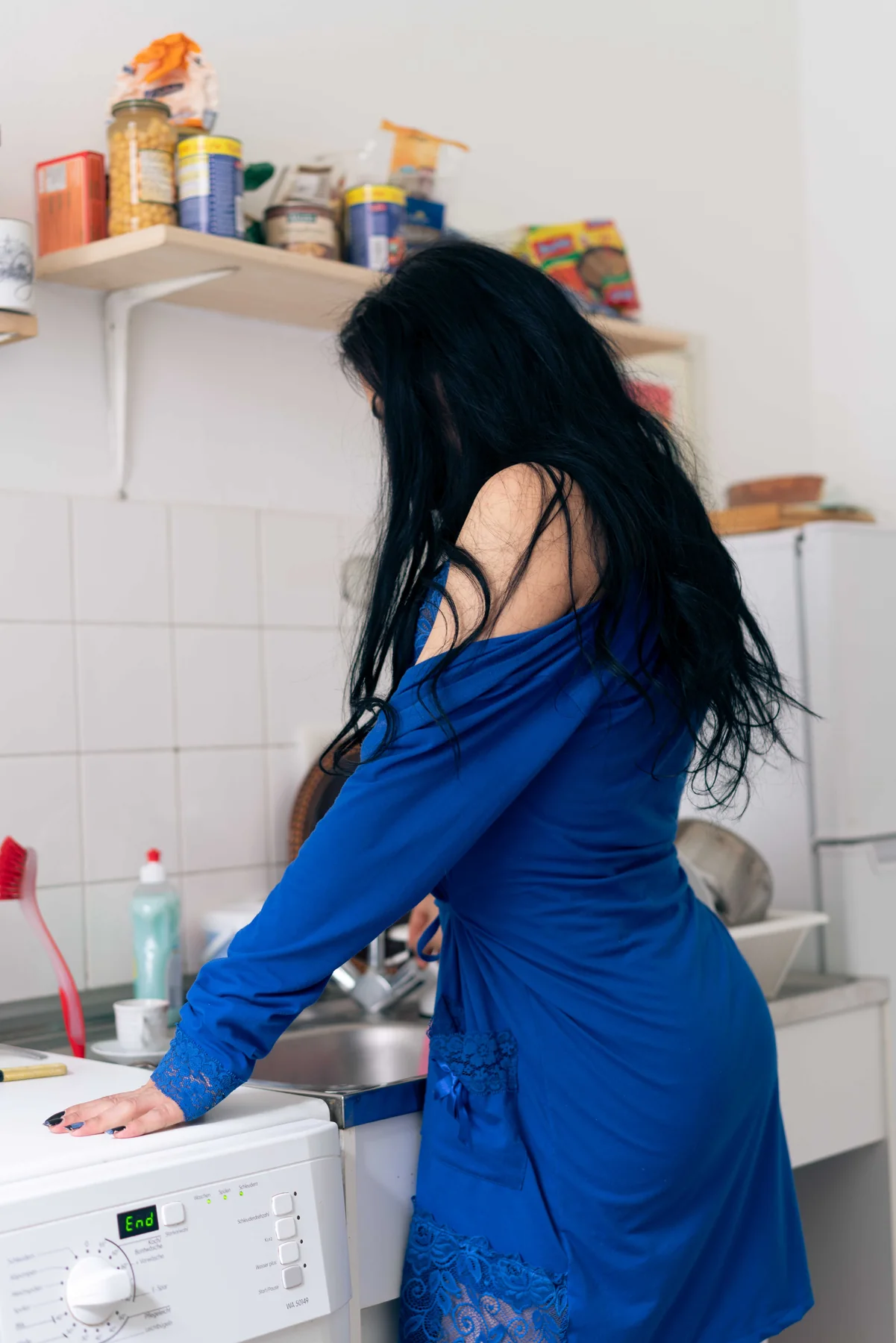
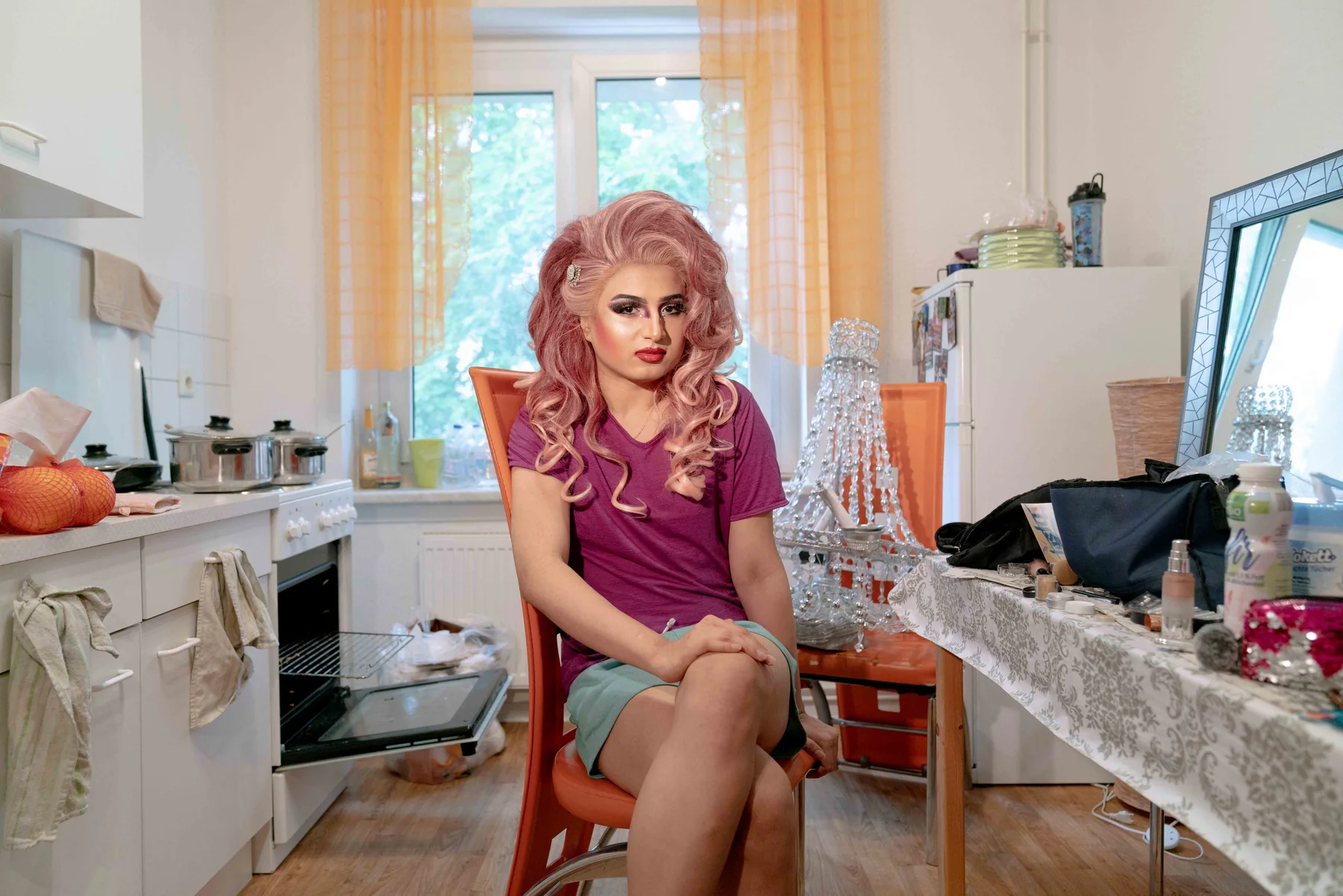
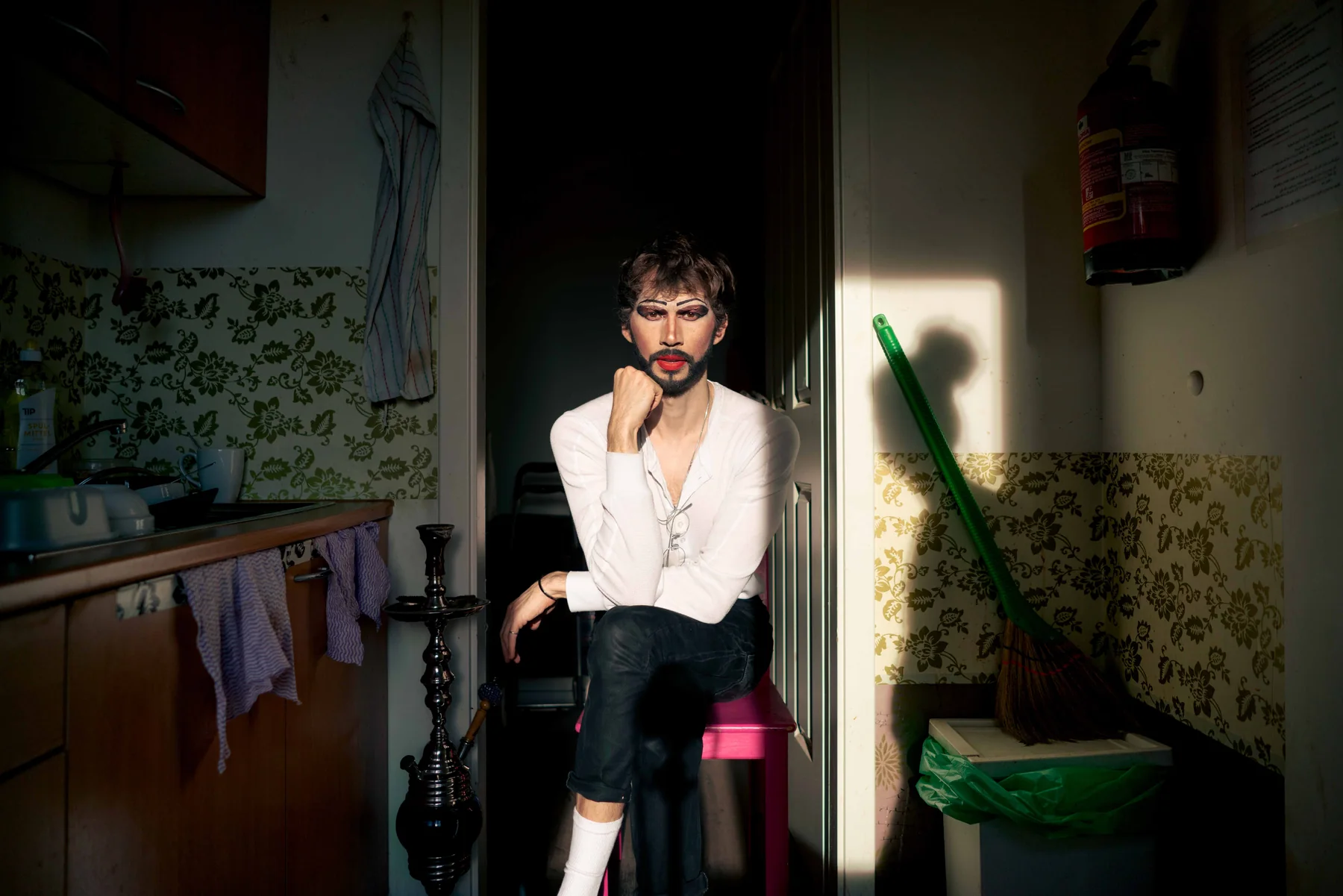
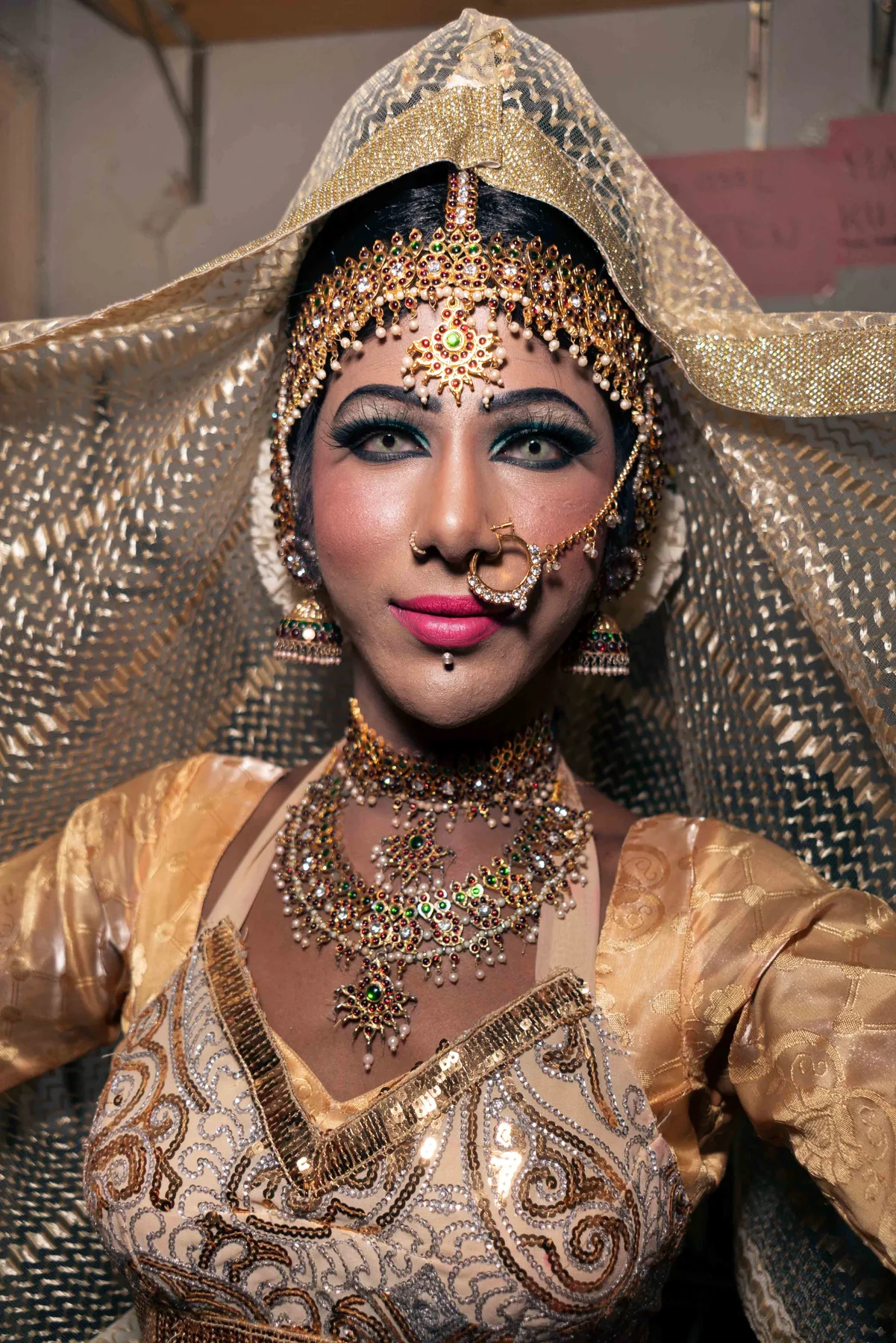
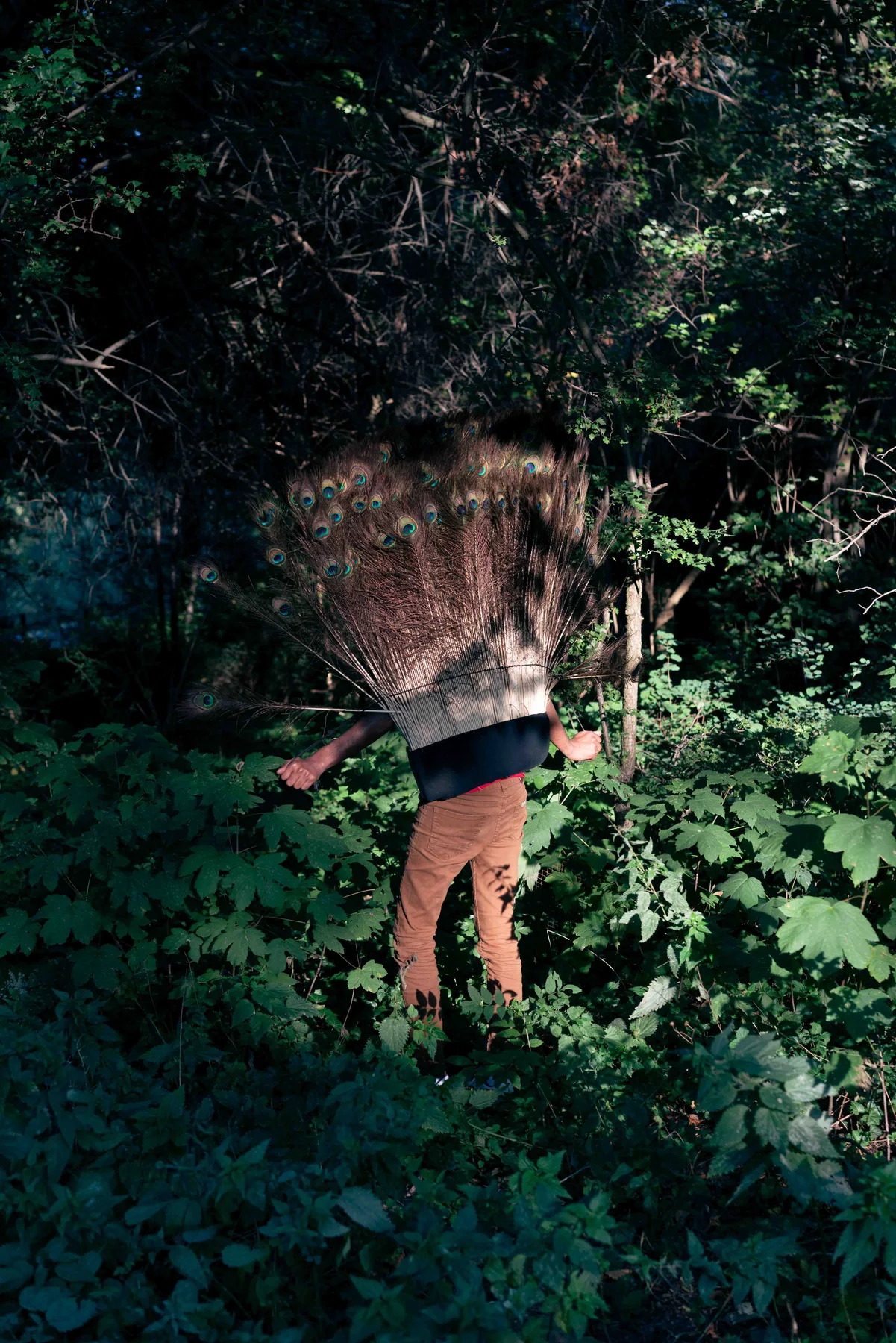
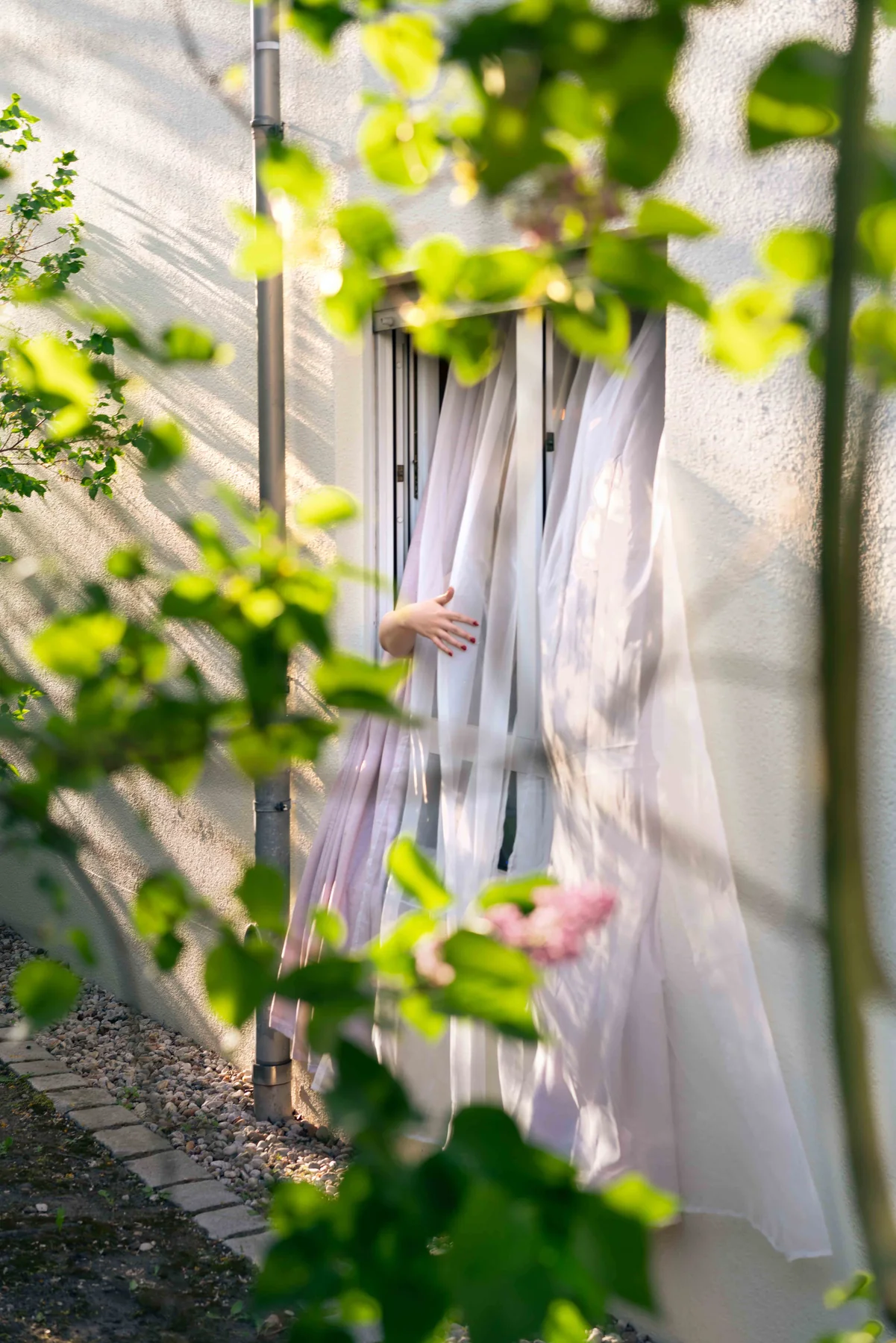
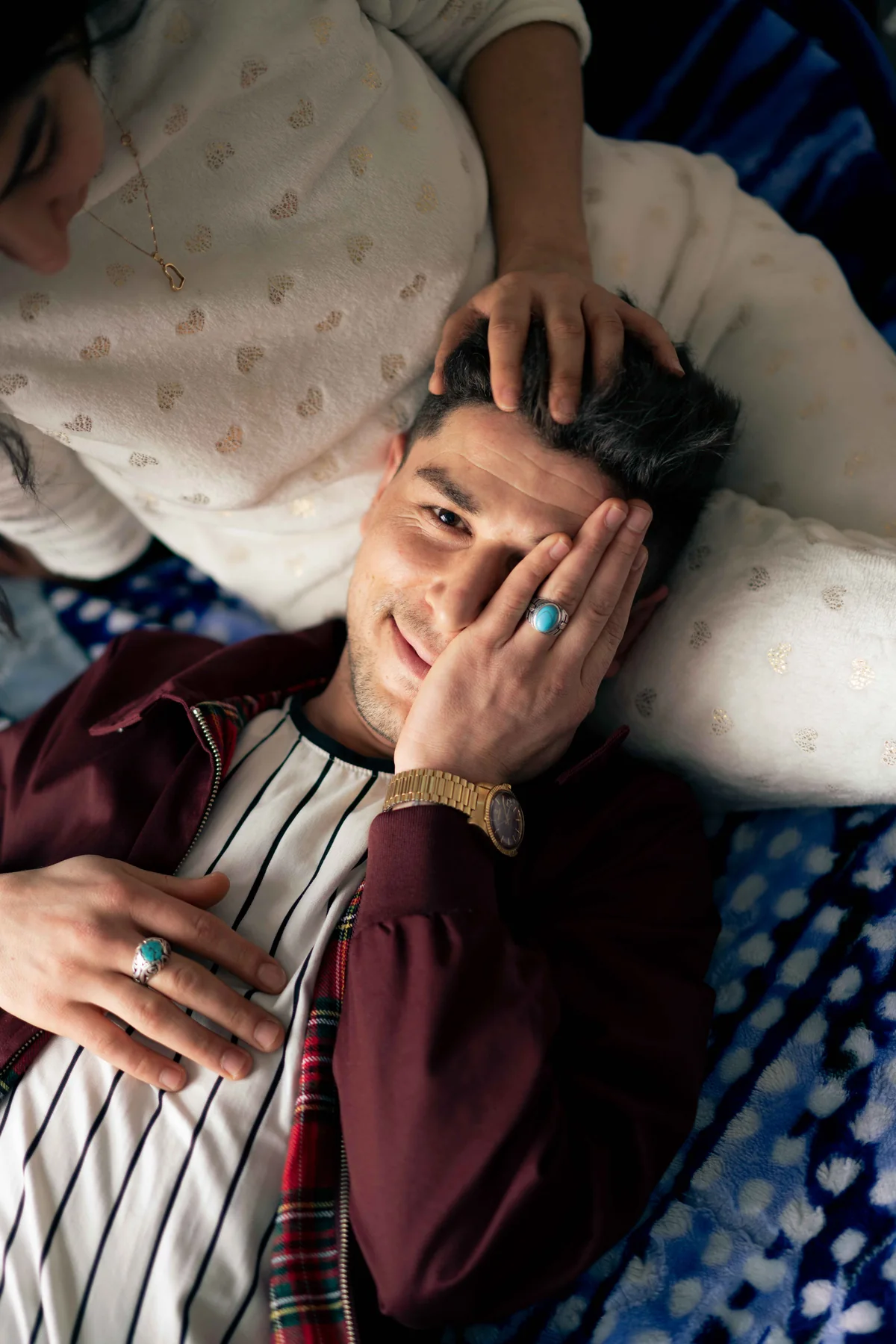
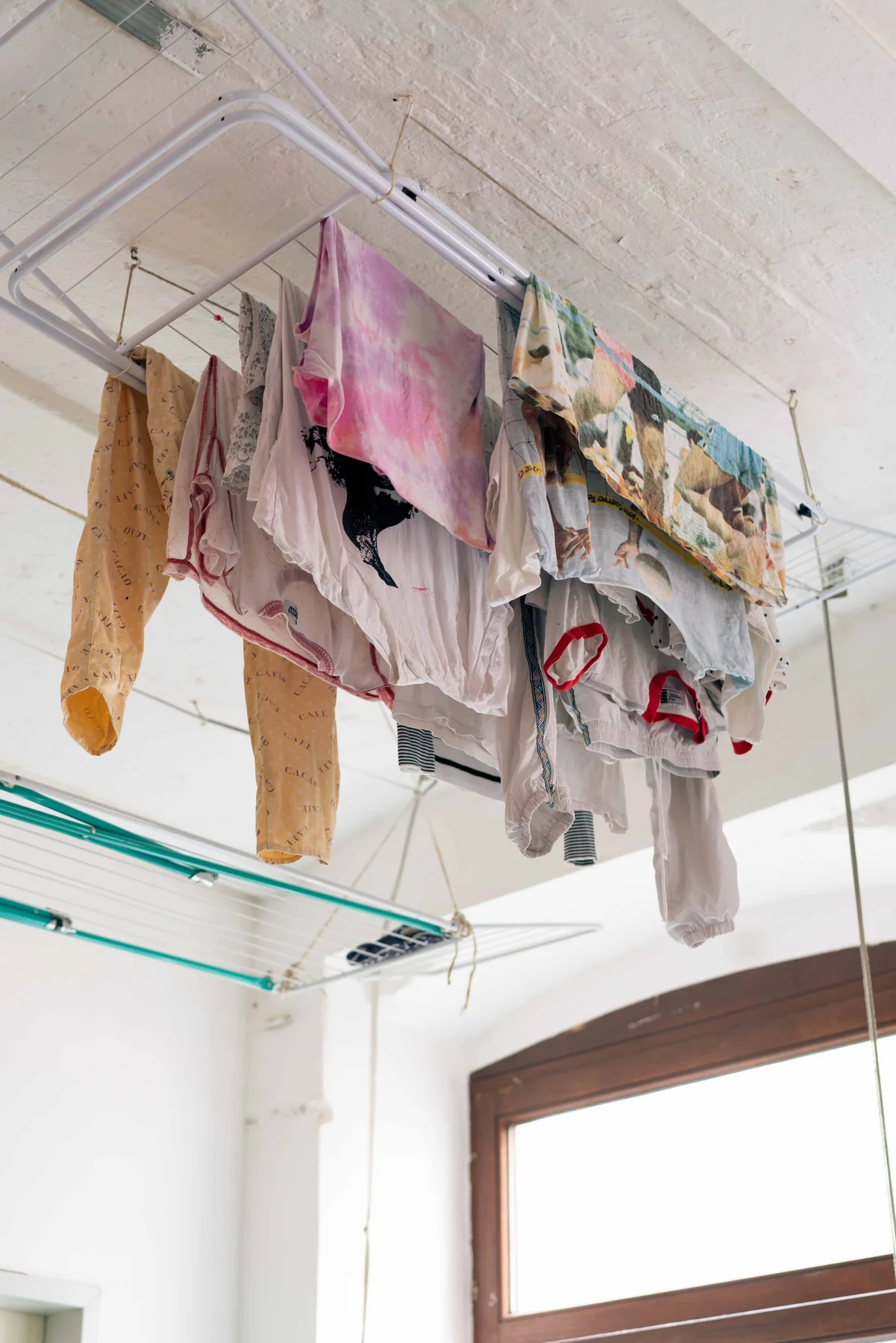
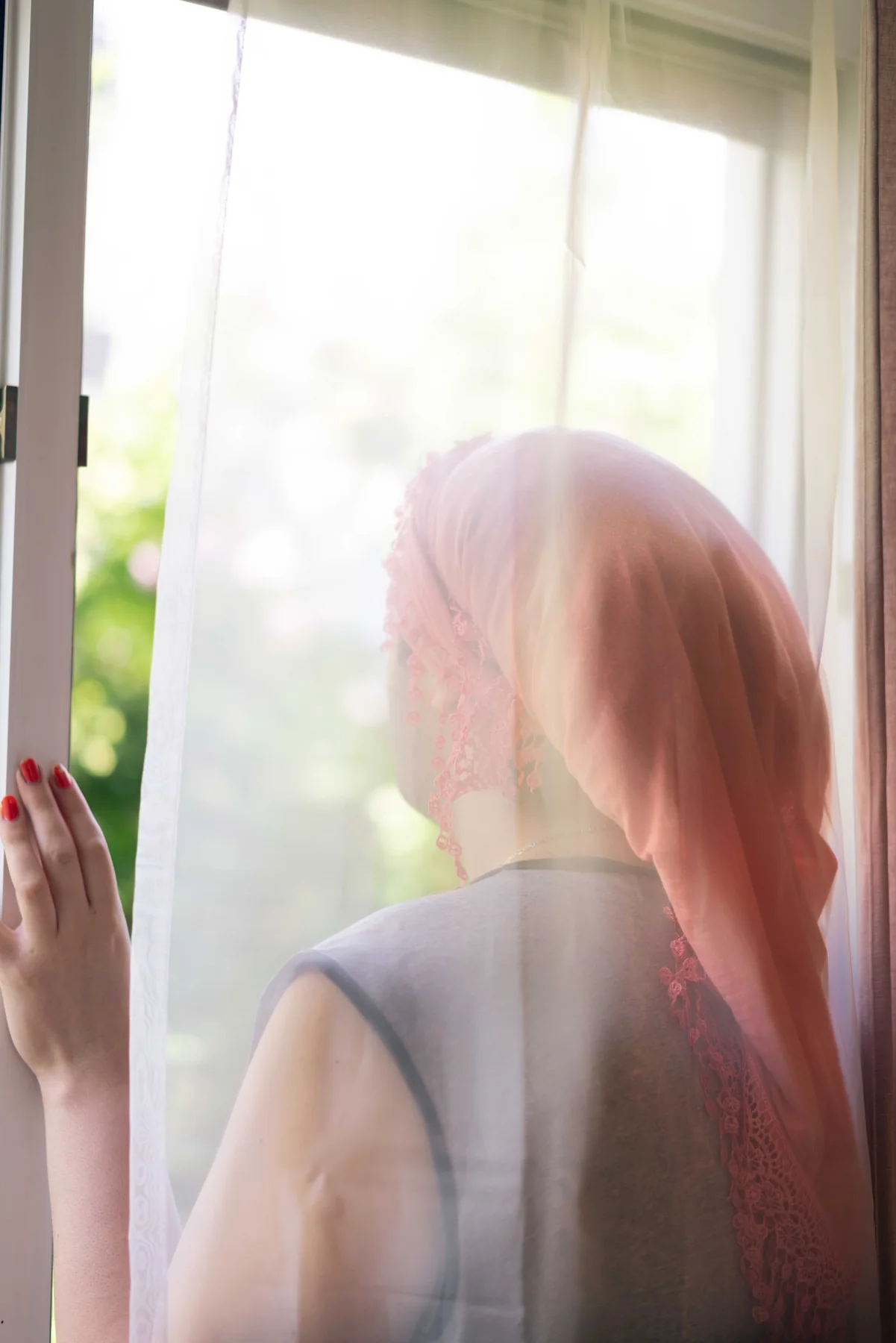
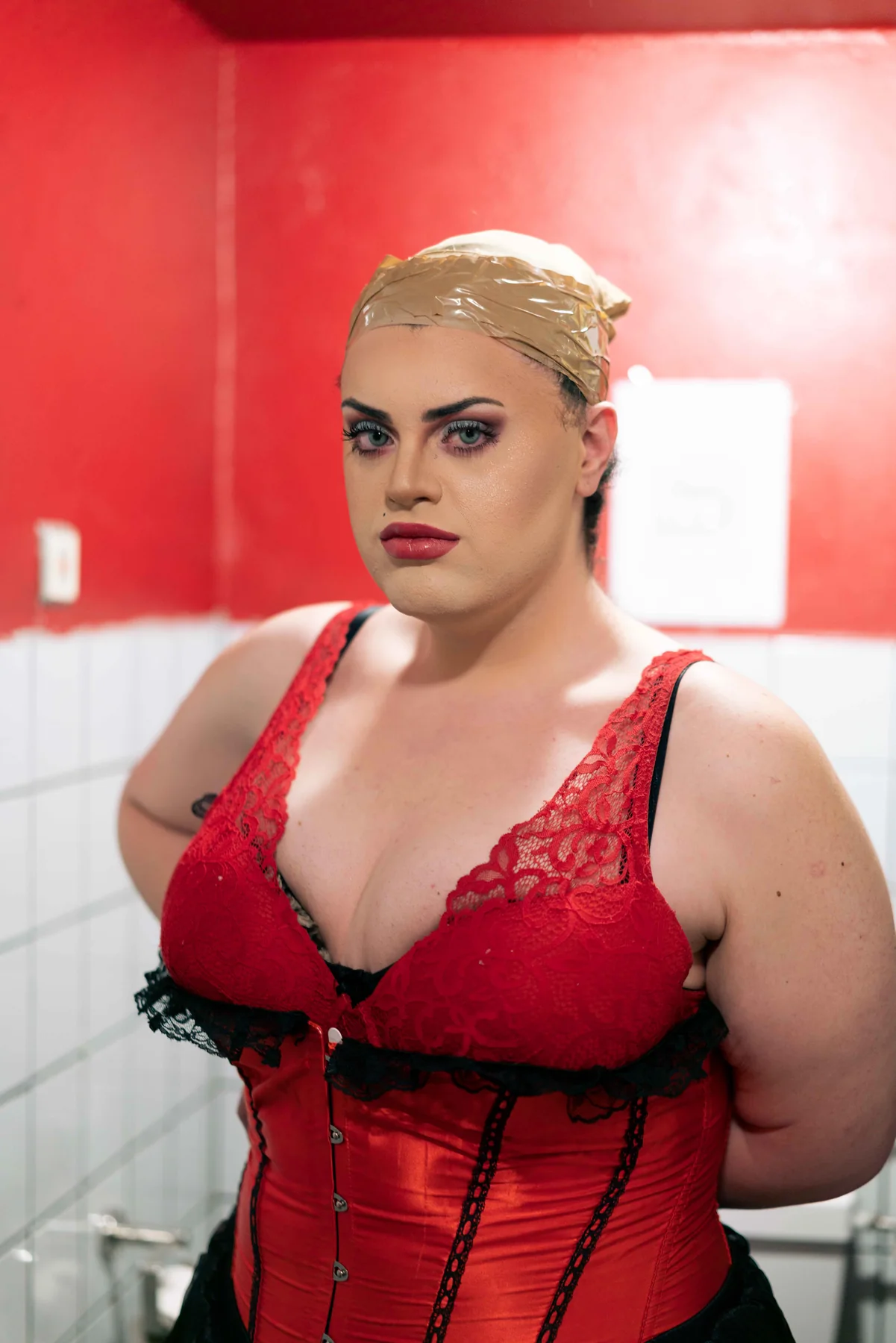
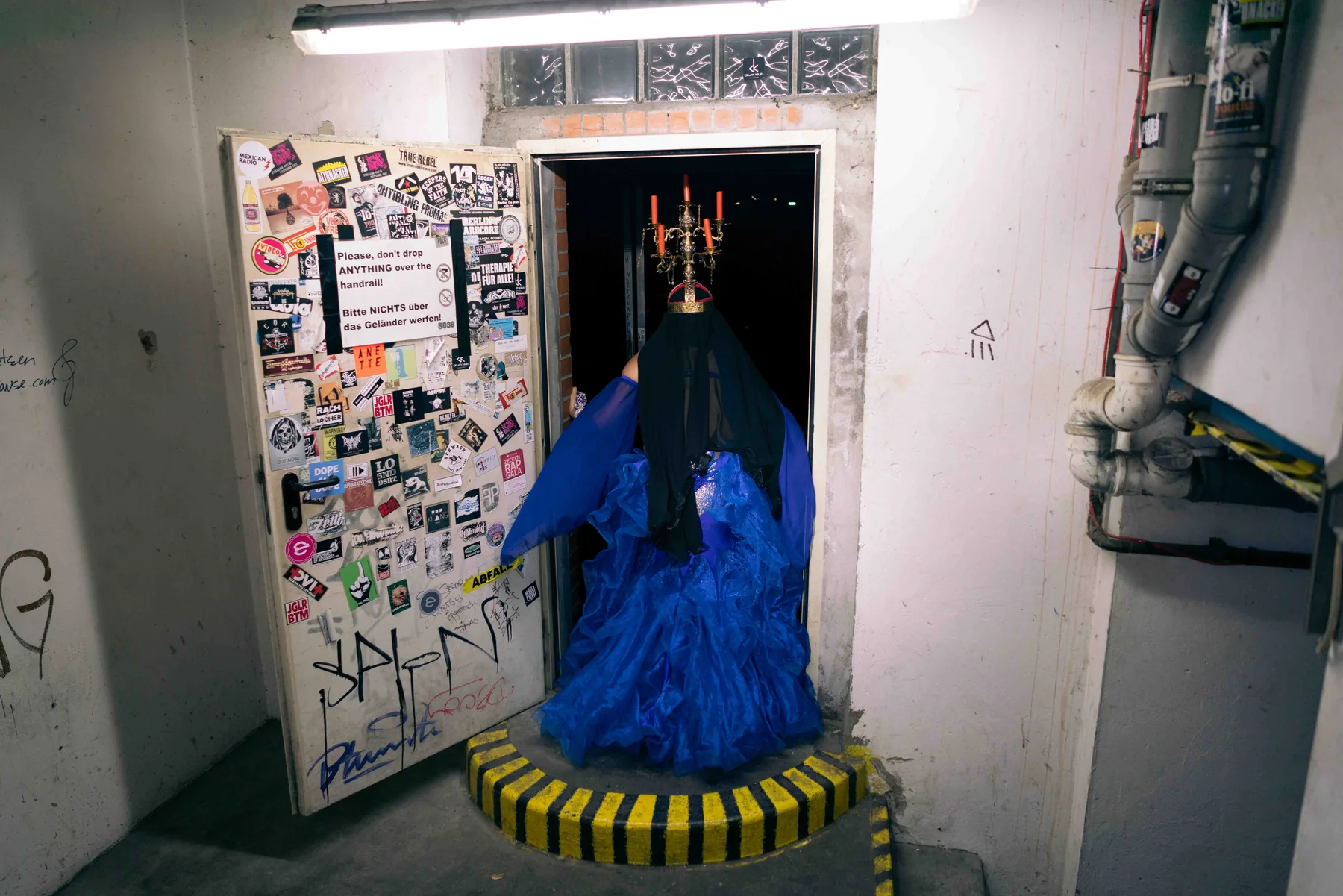
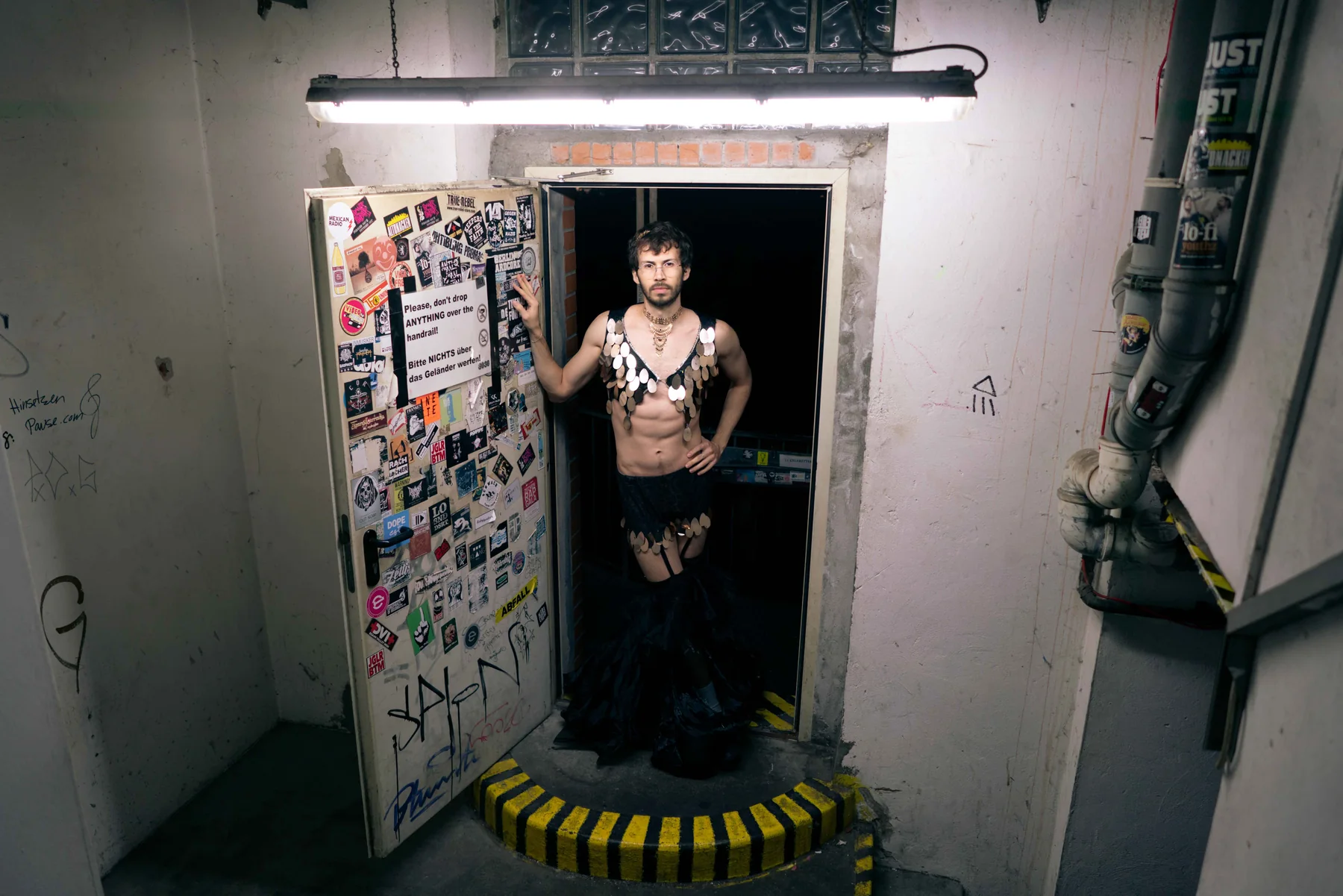
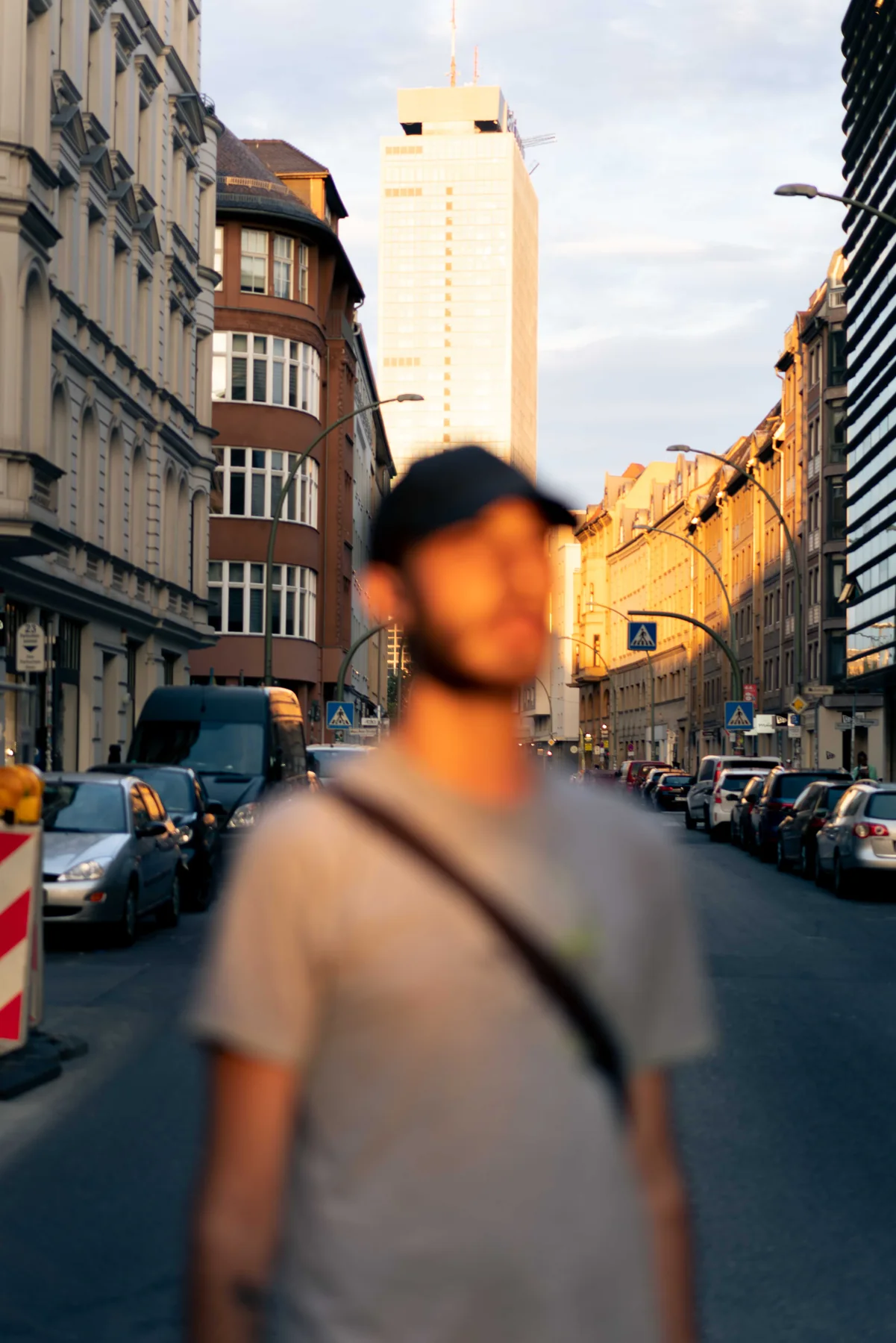
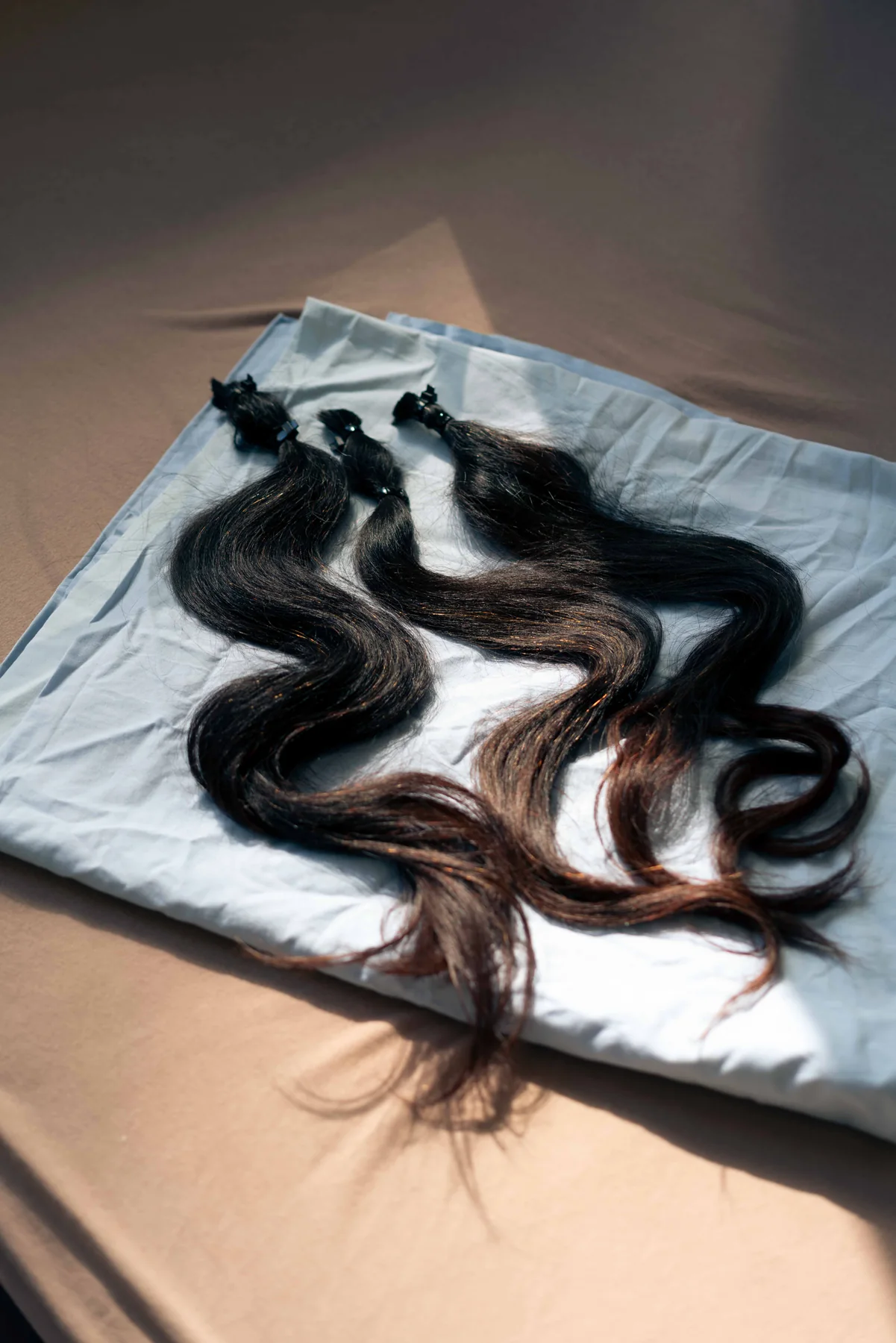
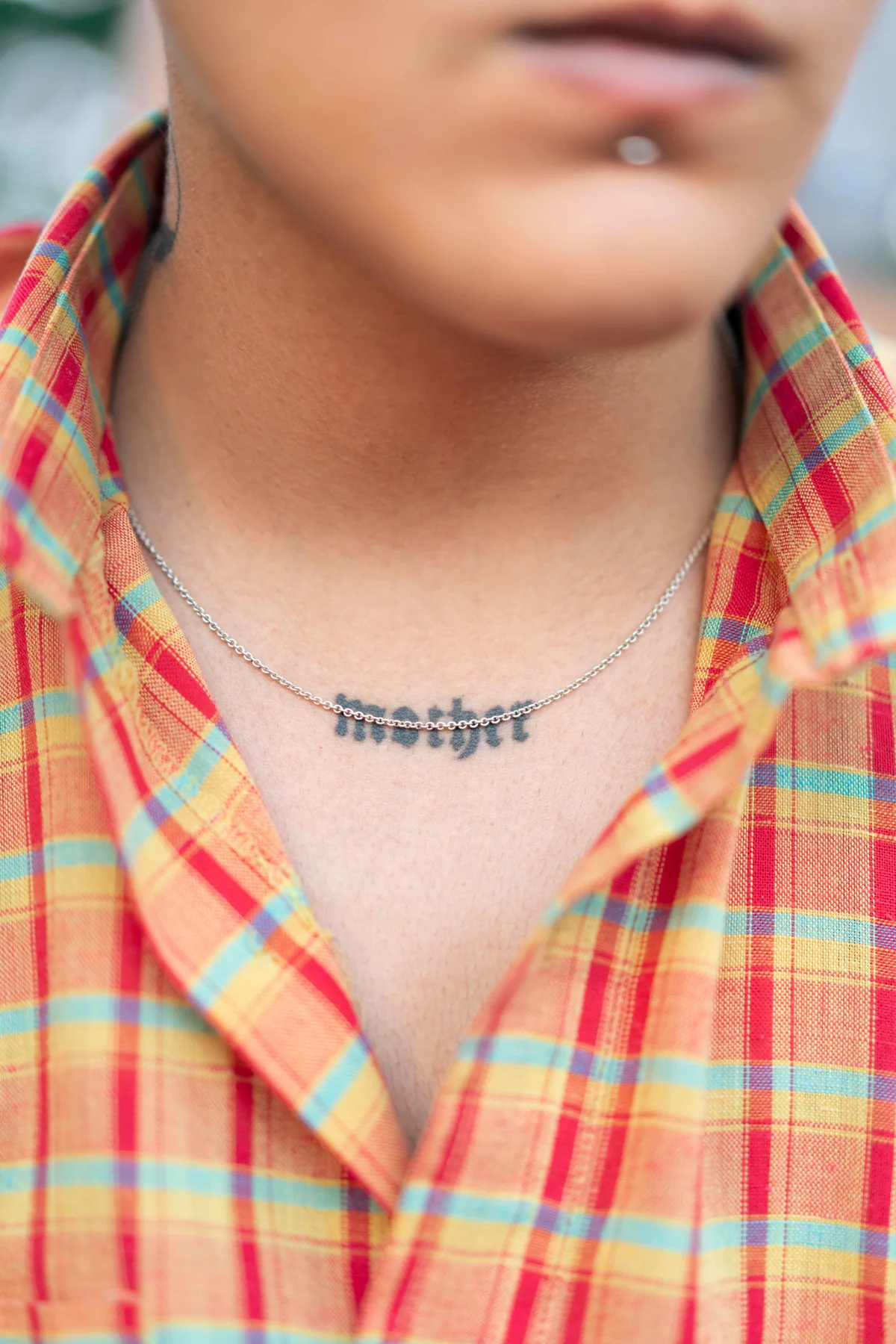
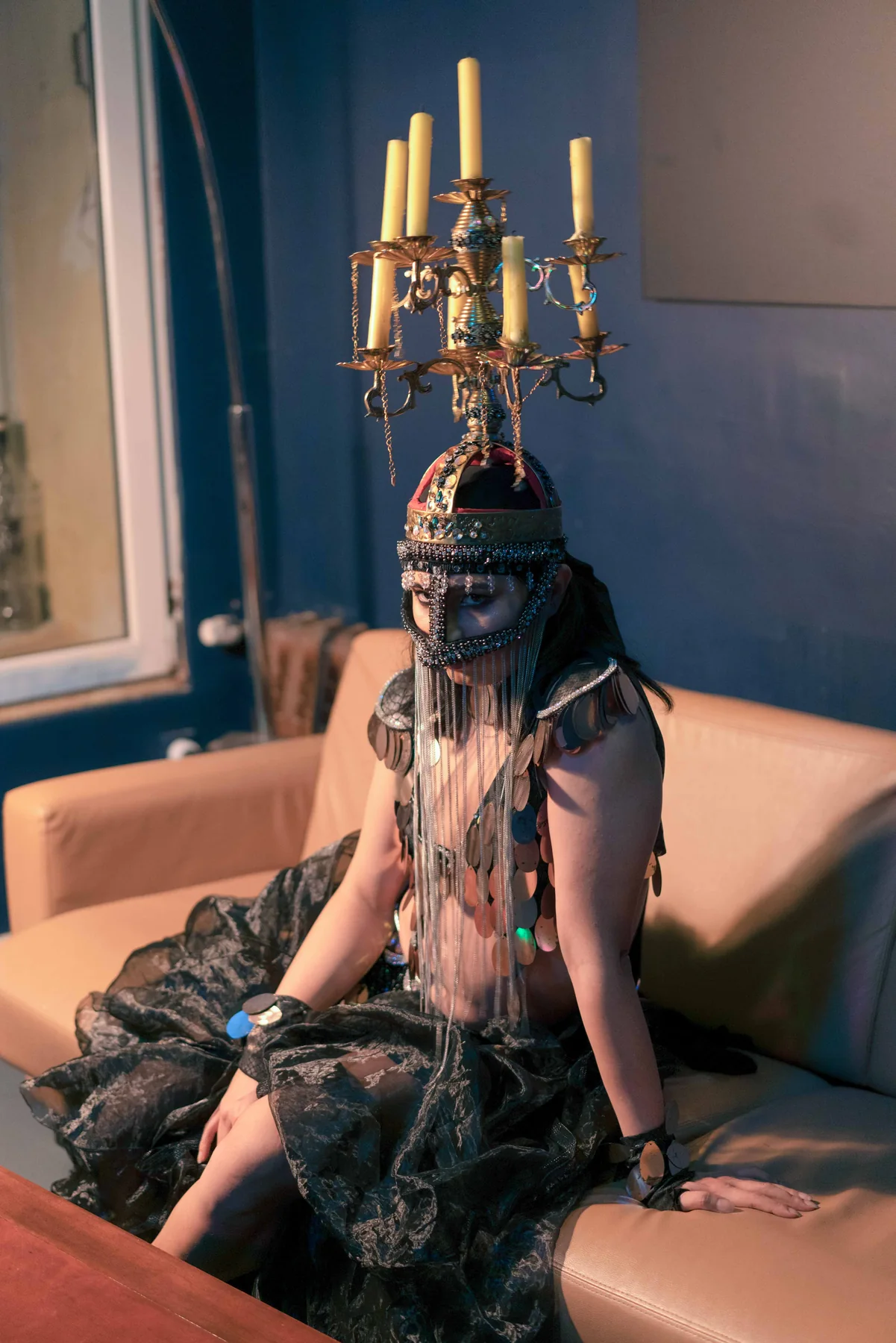
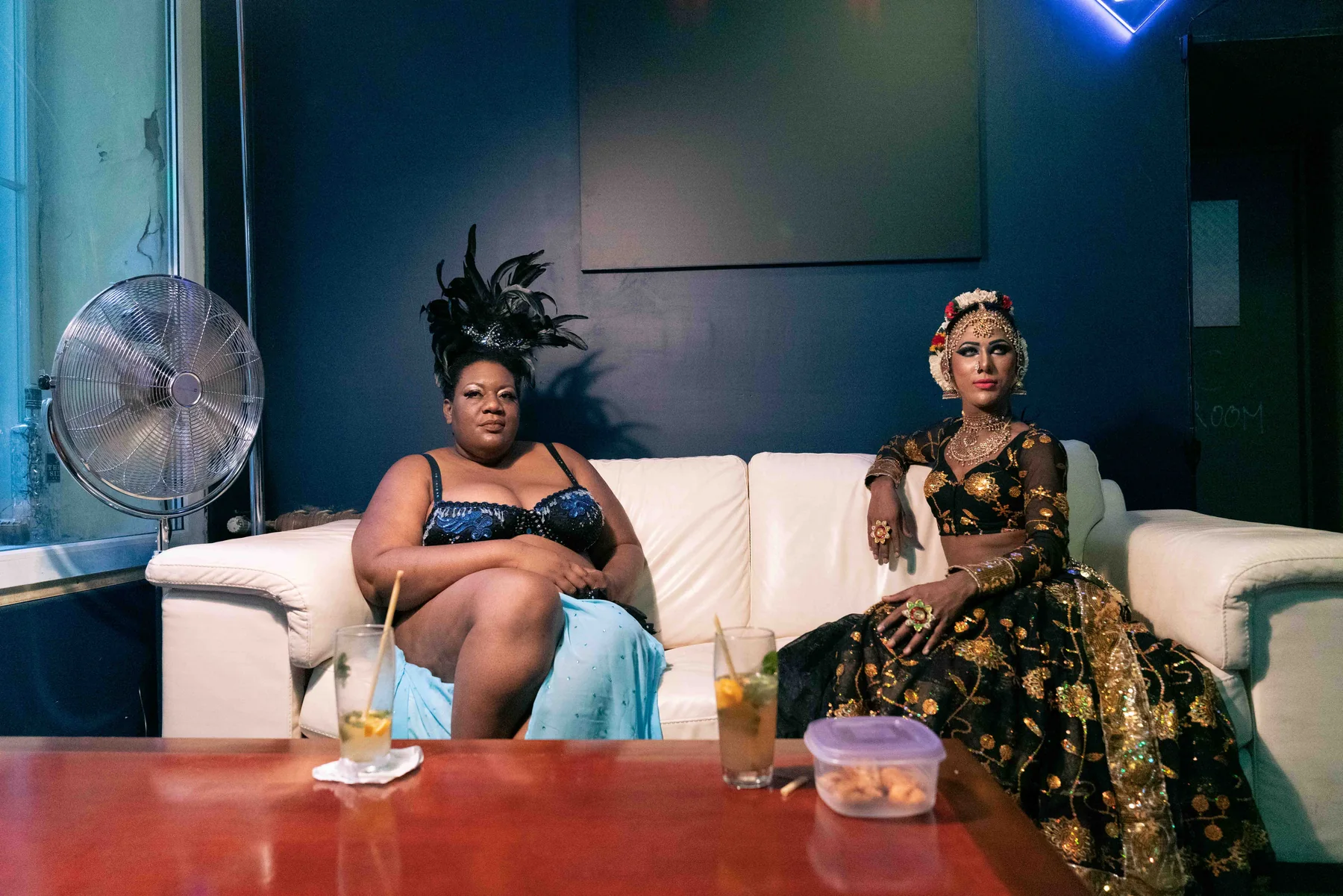
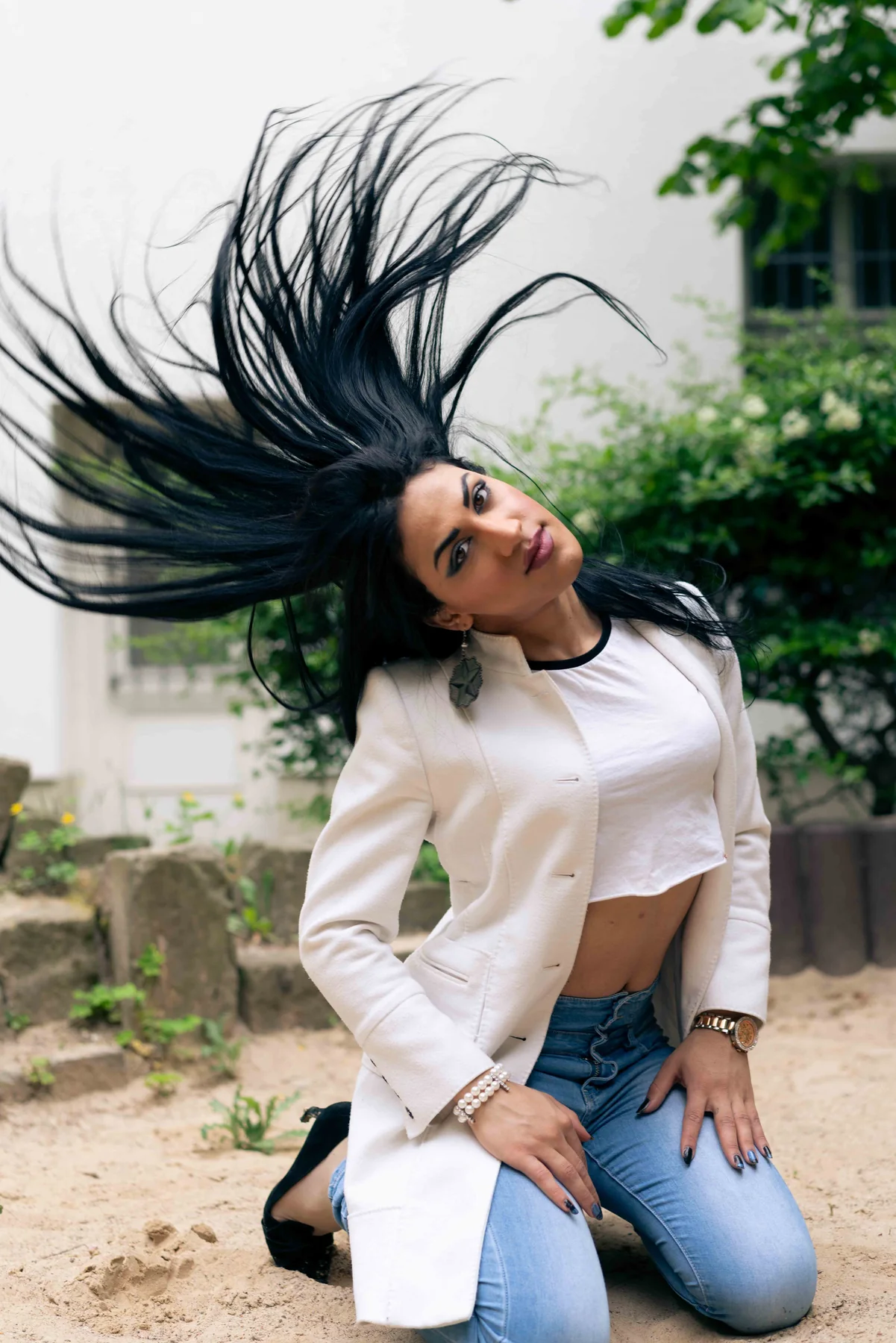
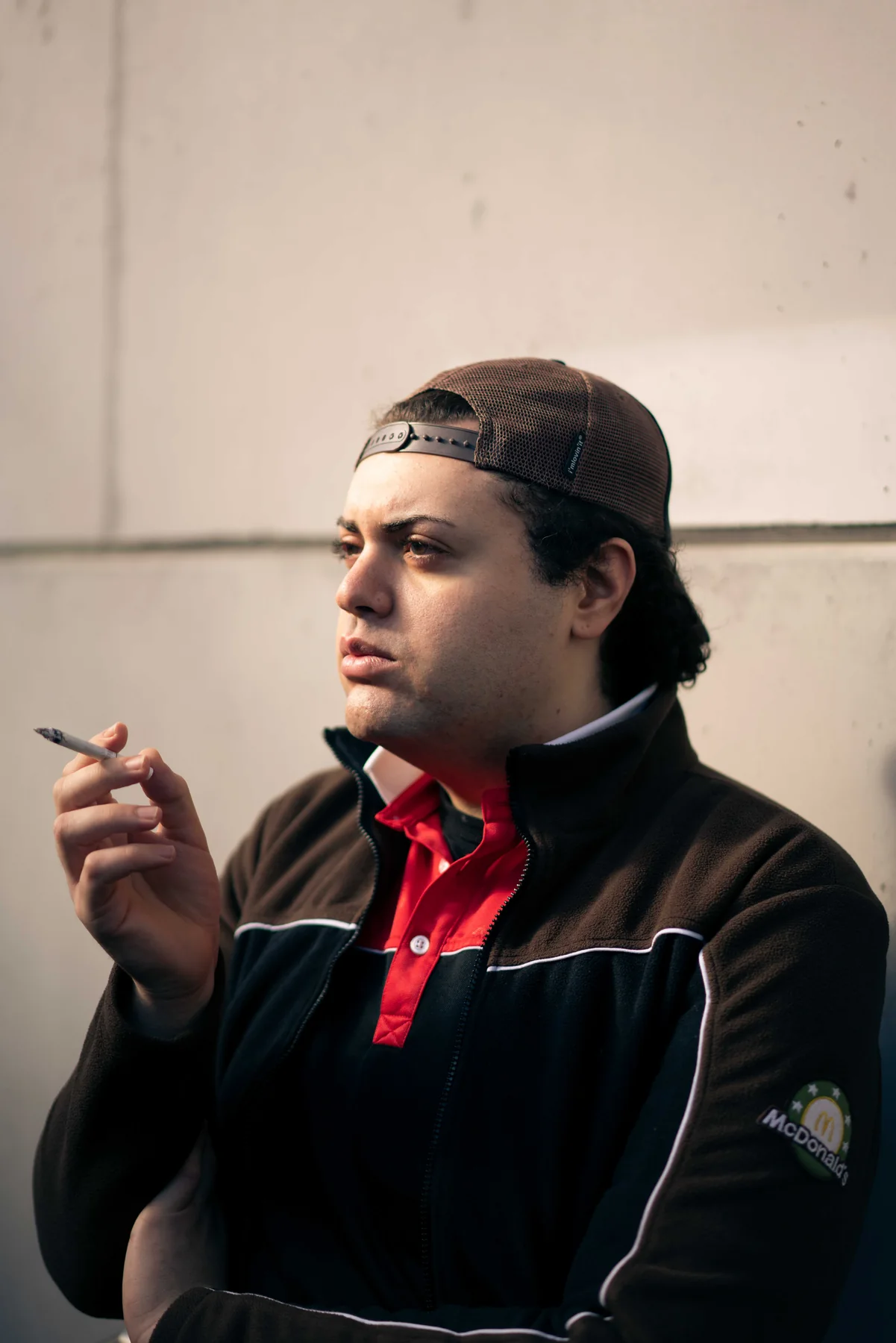
Come Get Your Honey was made with queer, trans and gender-nonconforming refugees and asylum seekers in Berlin, over three years of shared time. It began with a question I could not put down: what if photography is more about listening than seeing?
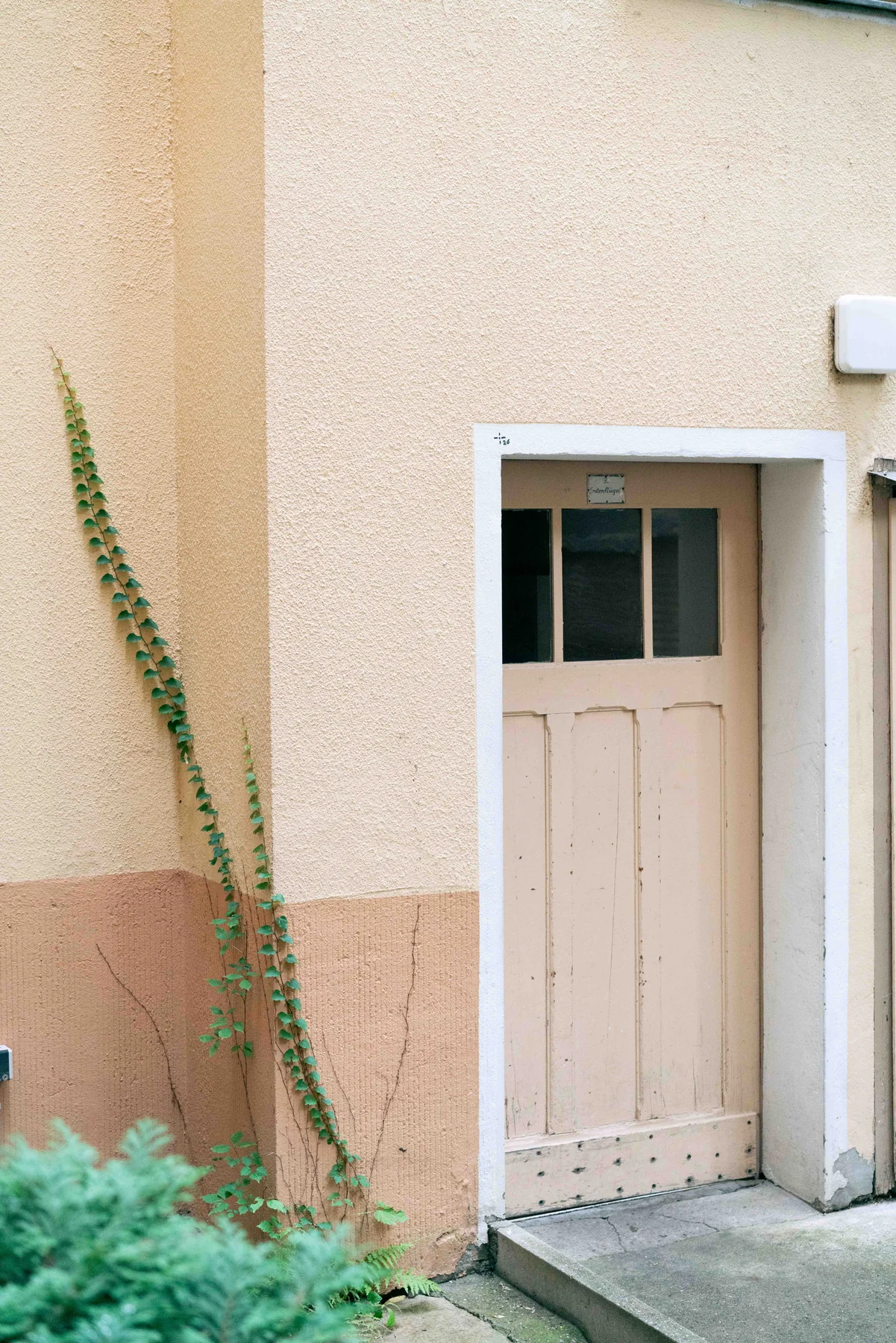
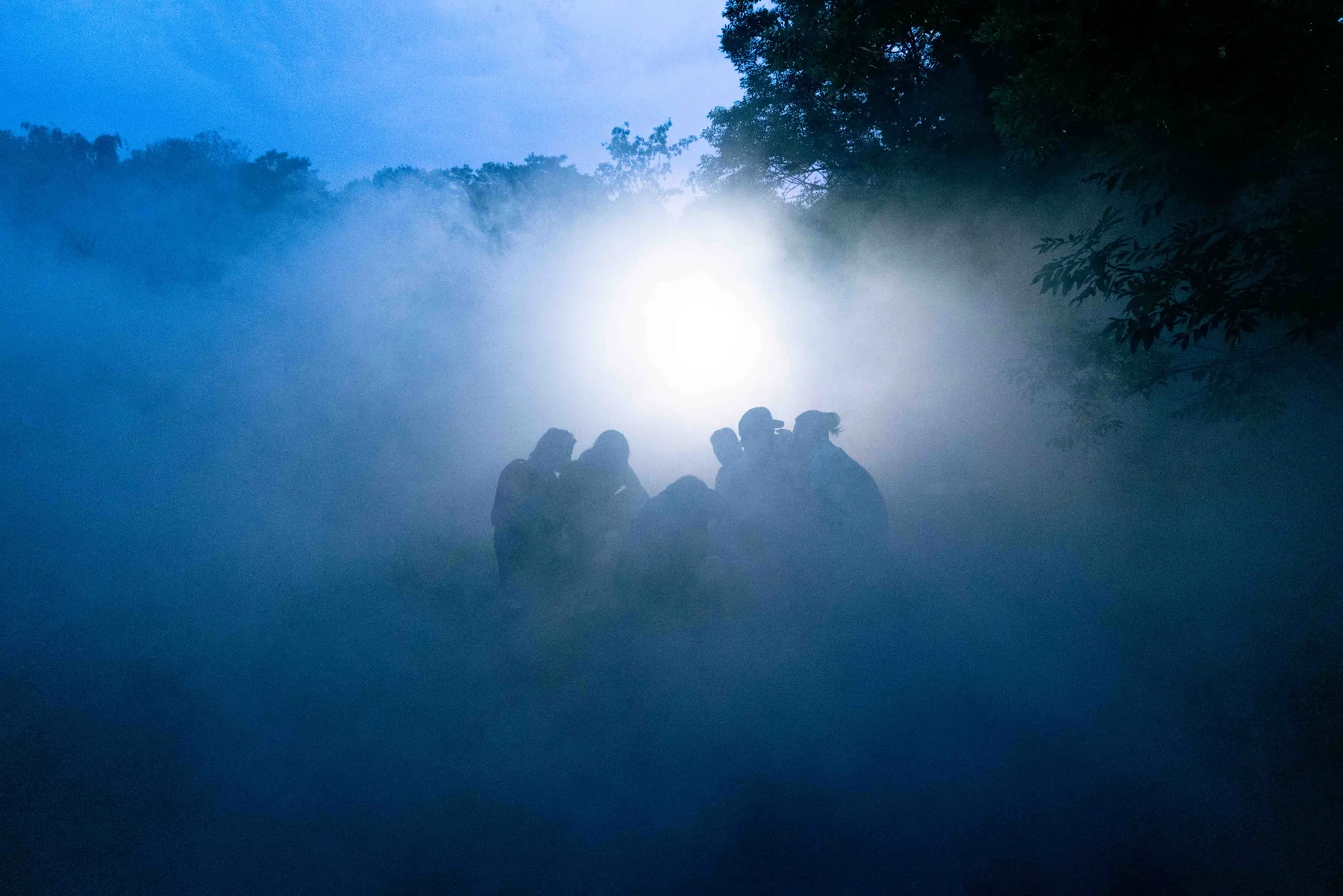
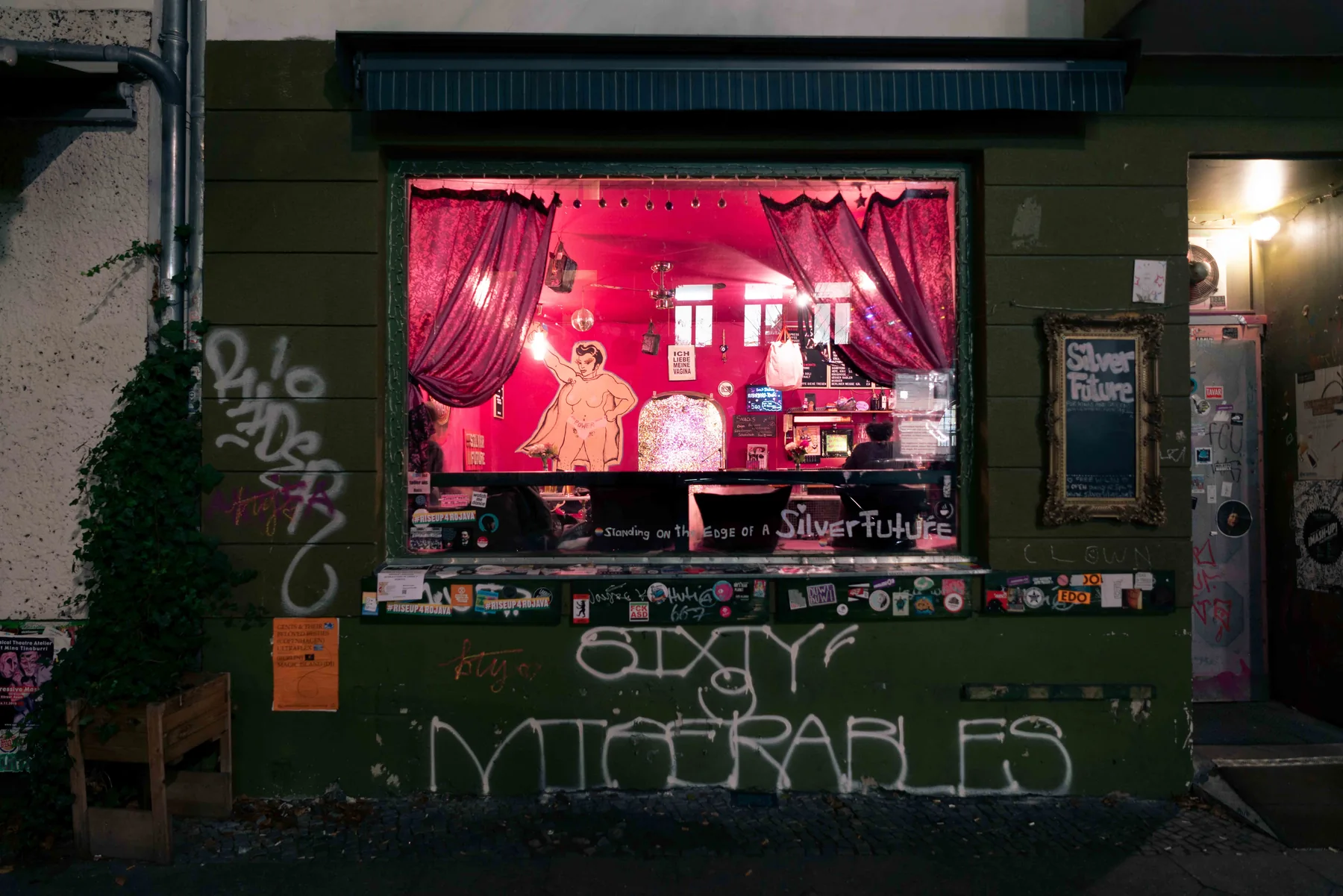
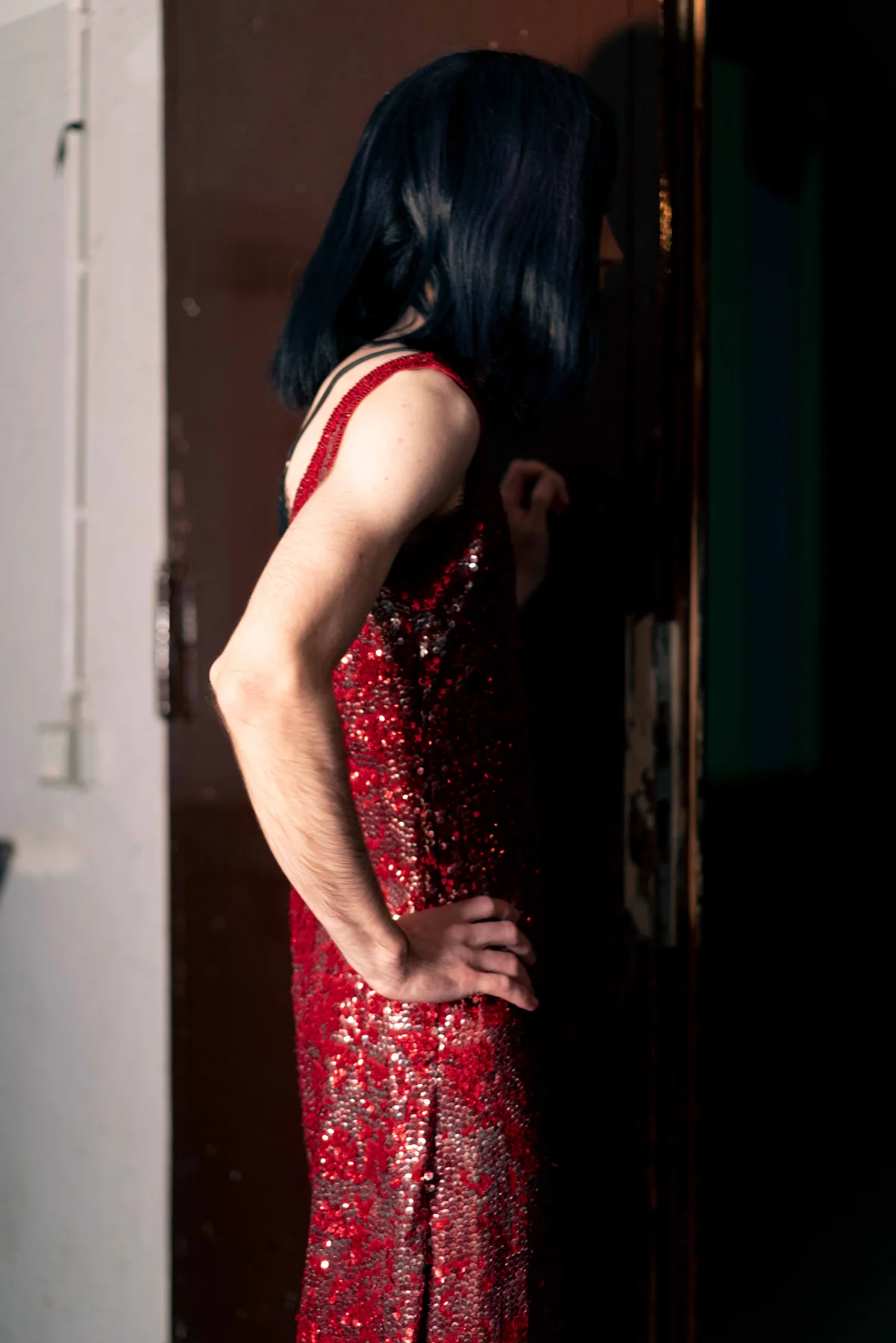
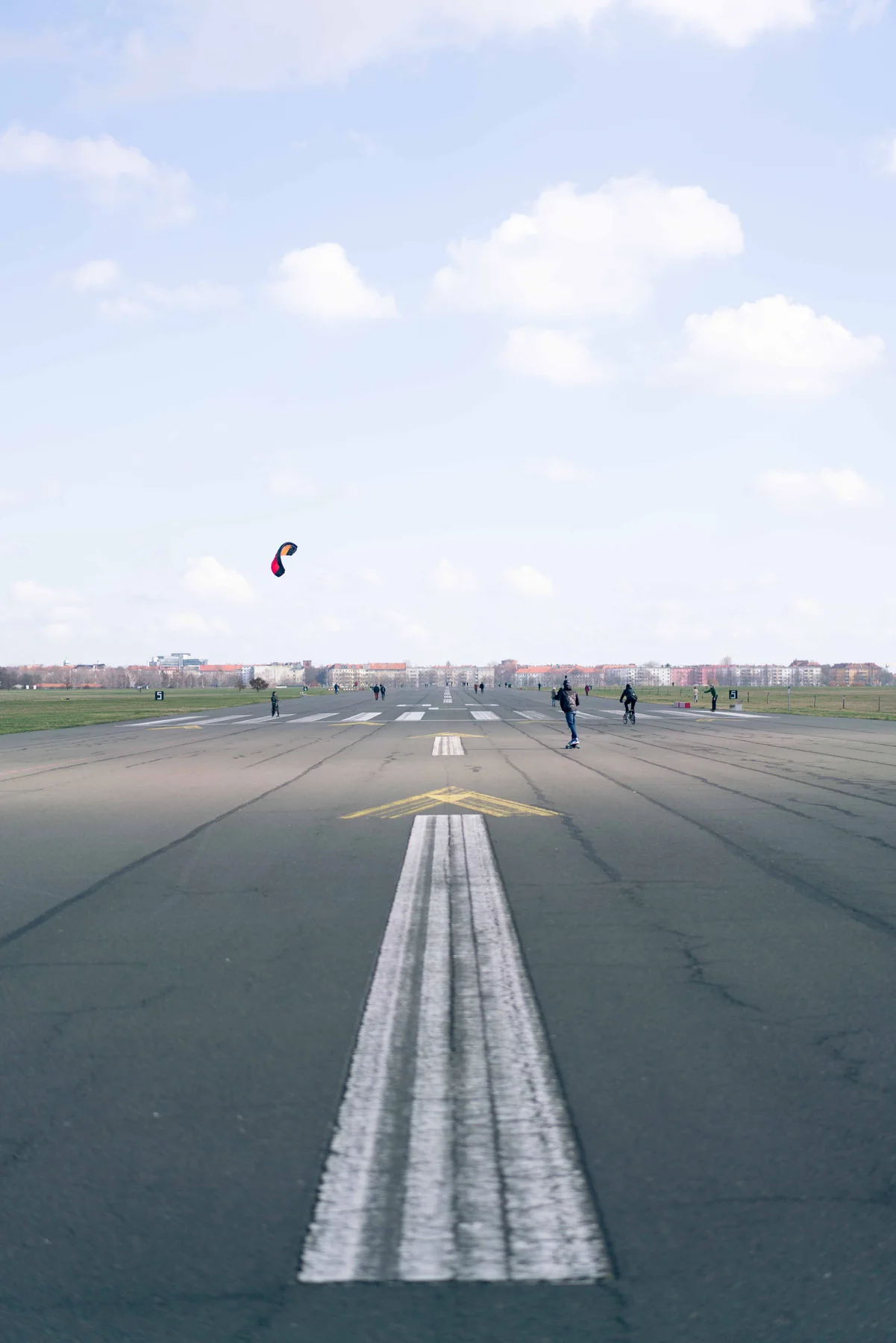
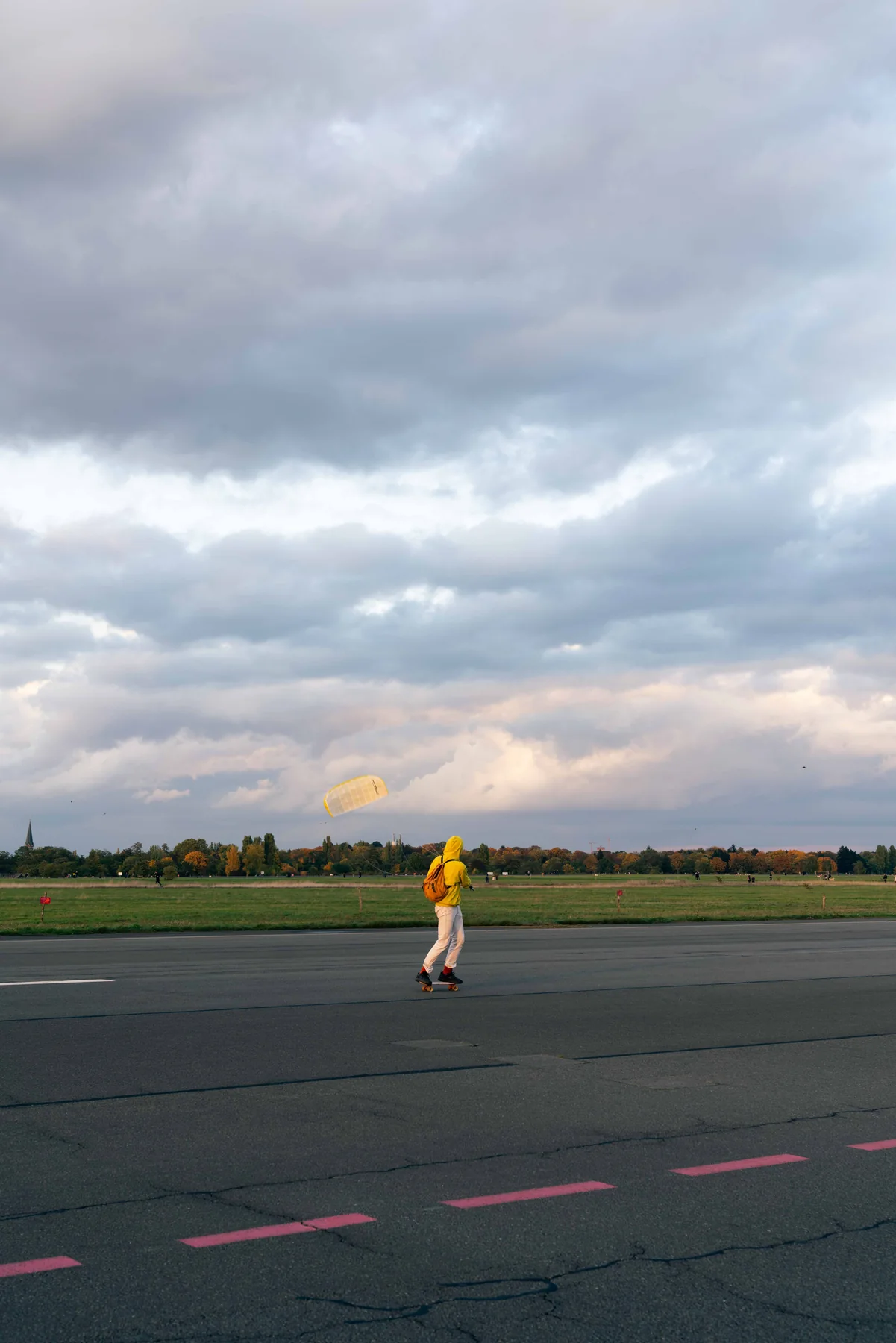
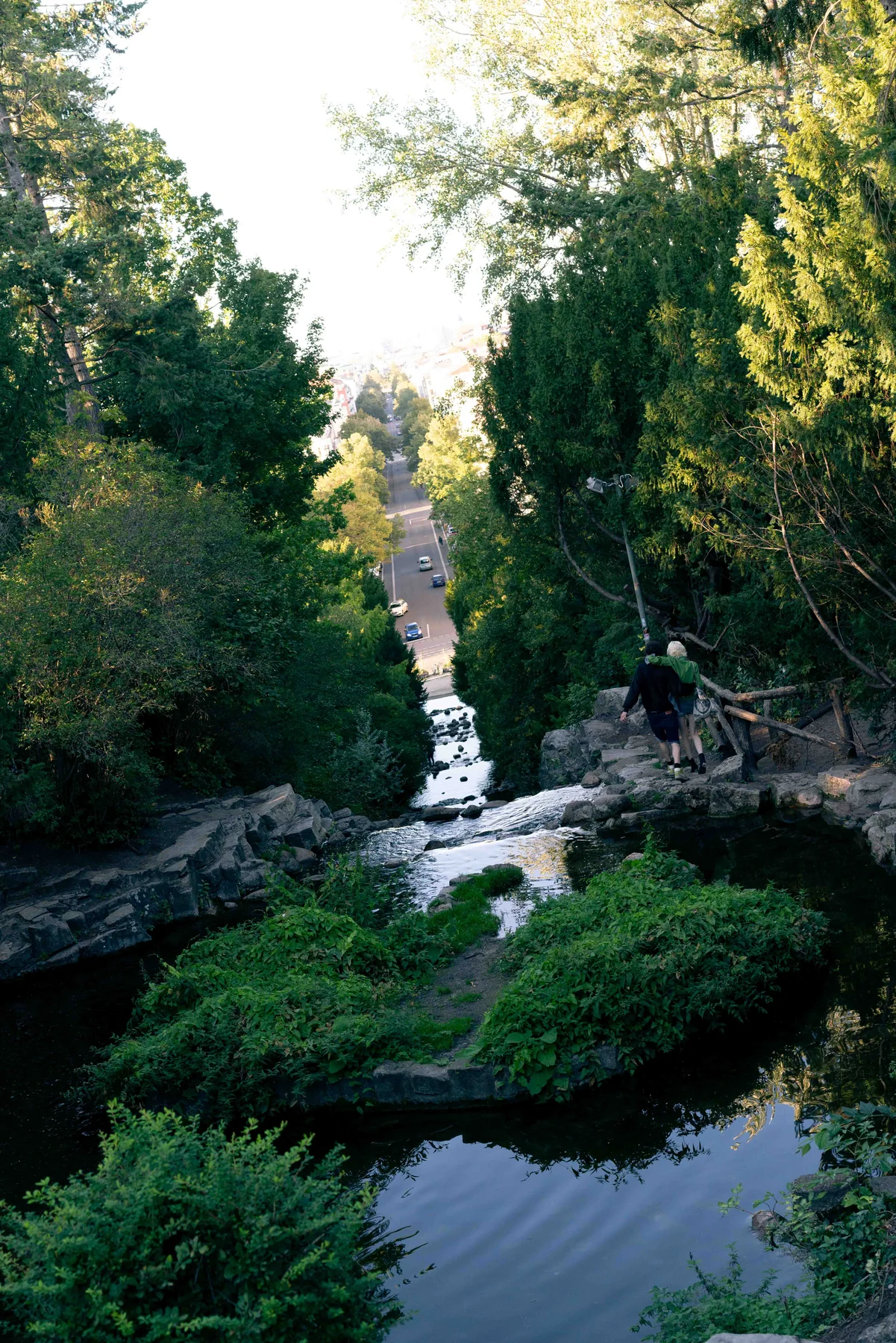
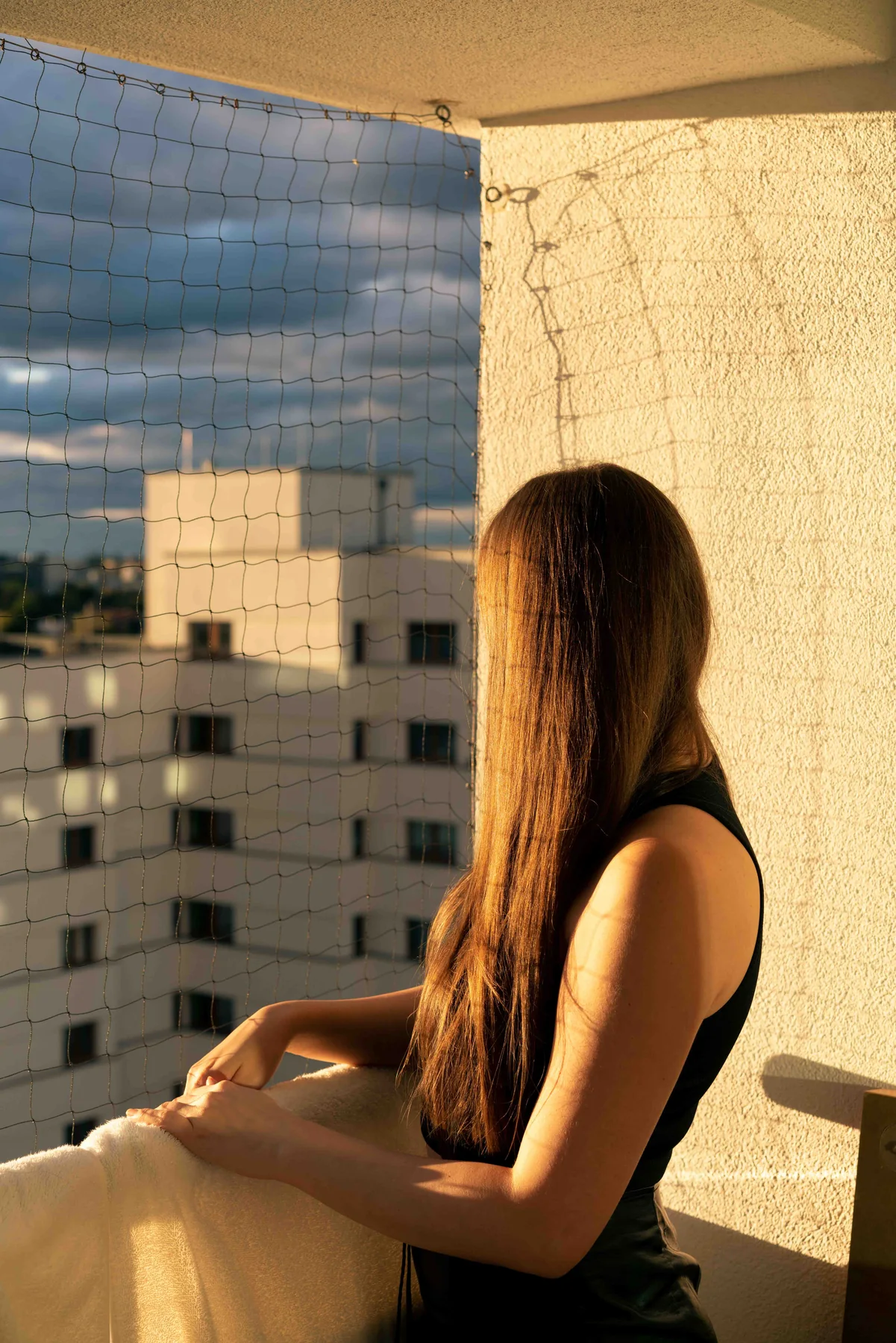
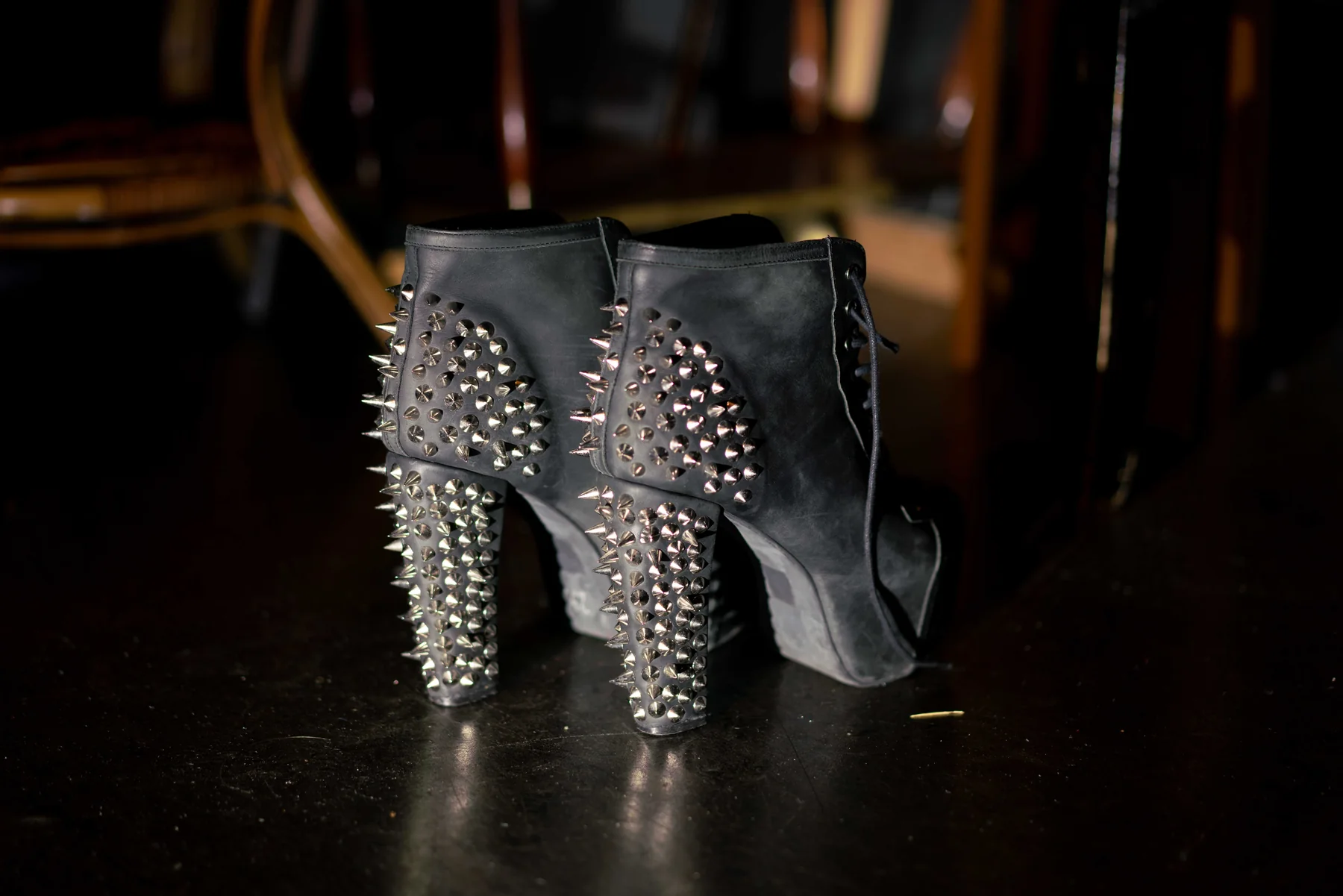
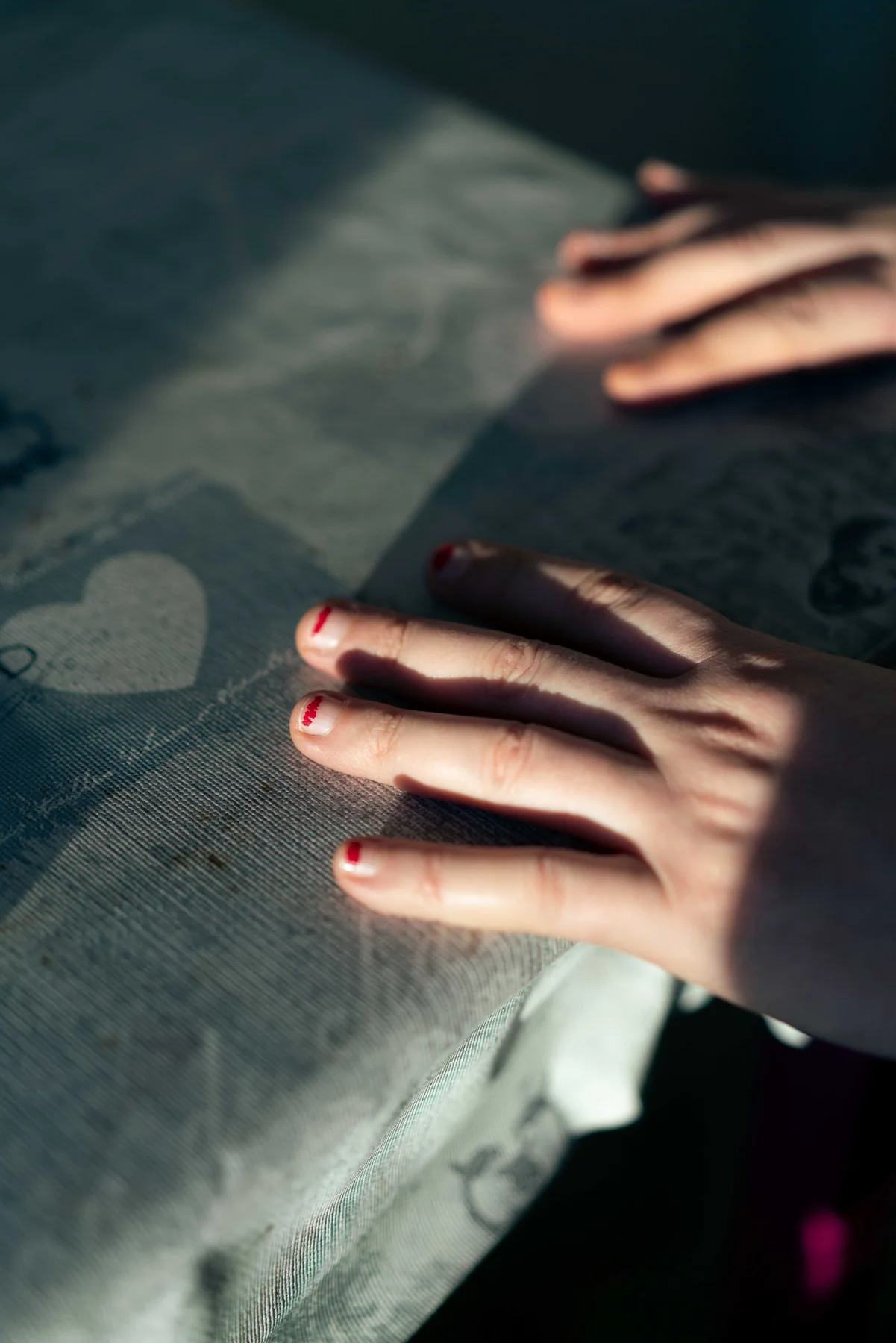
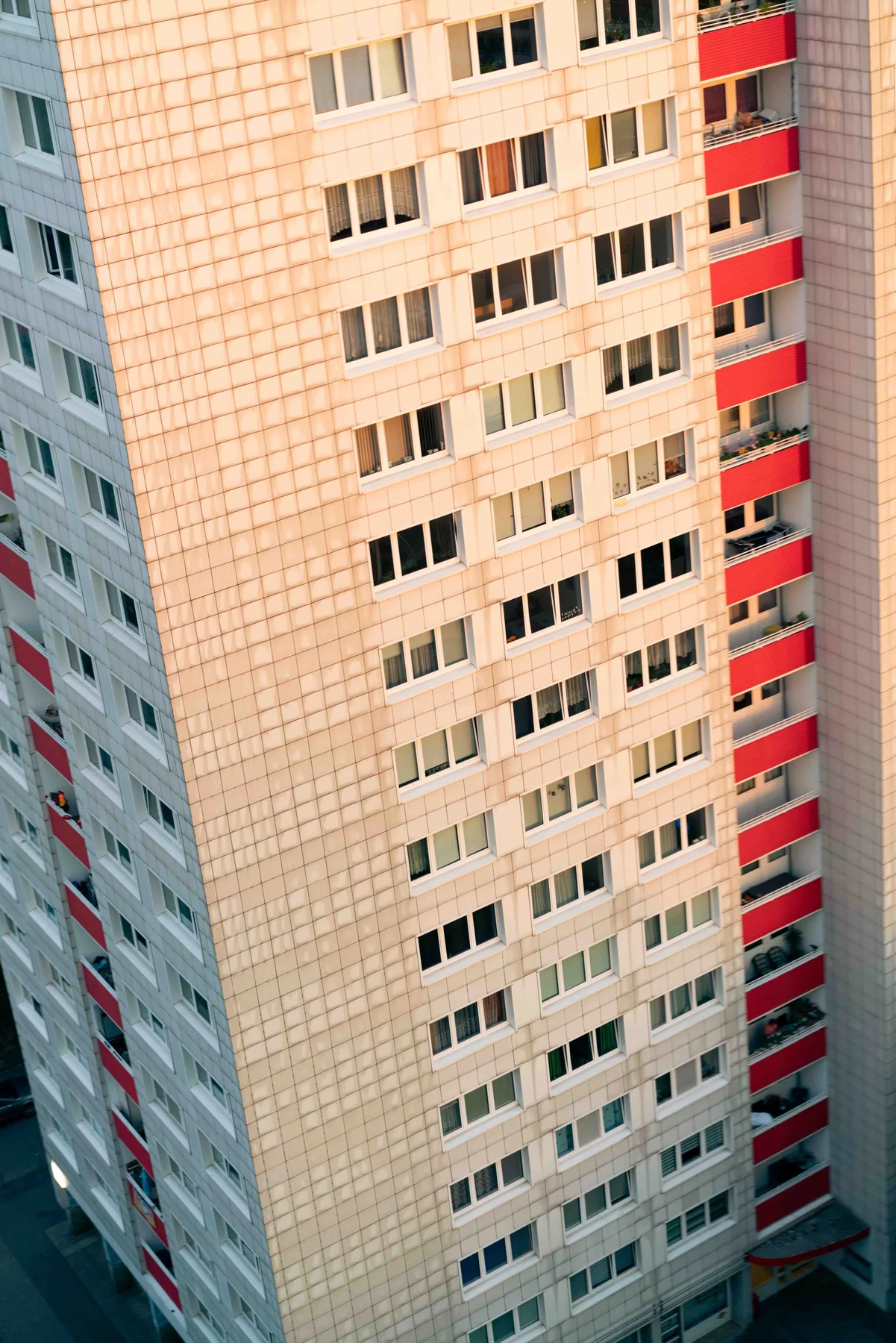
Nearly fifty people are behind the work, and around fifteen of them are portrayed in the series, which mixes visibility and anonymity. Some collaborators chose to be seen, others chose not to be, and the book holds both choices with equal weight. The portraits sit next to photographs of Berlin itself, keeping the city’s openness and its harshness on the same pages.
Exhibitions
 Schwules MuseumBerlin, Germany · 2026–27 · Upcoming
Nicht die Letzten Group exhibition
 LANGER Space for PhotographyMannheim, Germany · 2026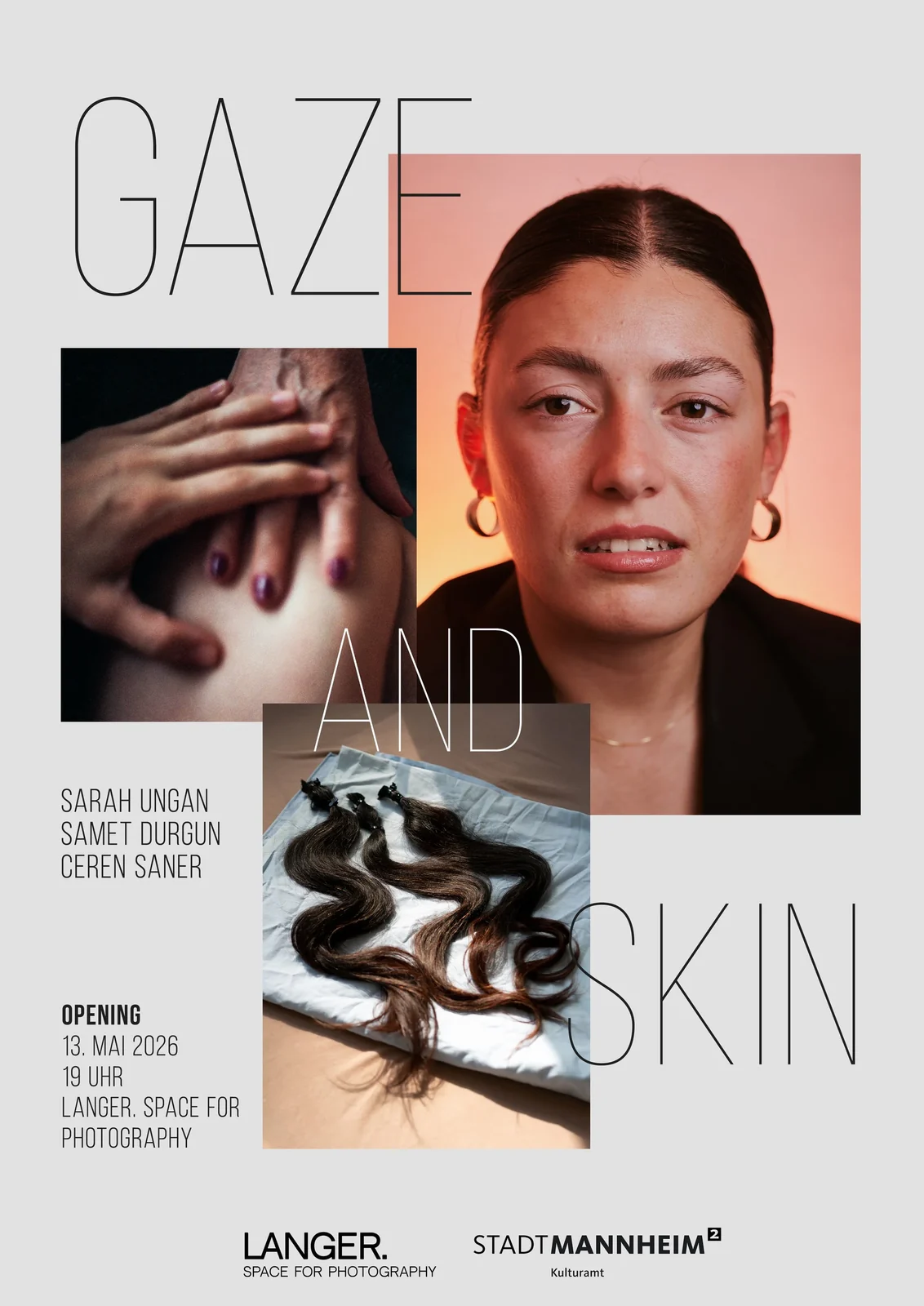
Gaze and Skin Group exhibition
 Fotografiska Berlin (Emerging Berlin)Berlin, Germany · 2025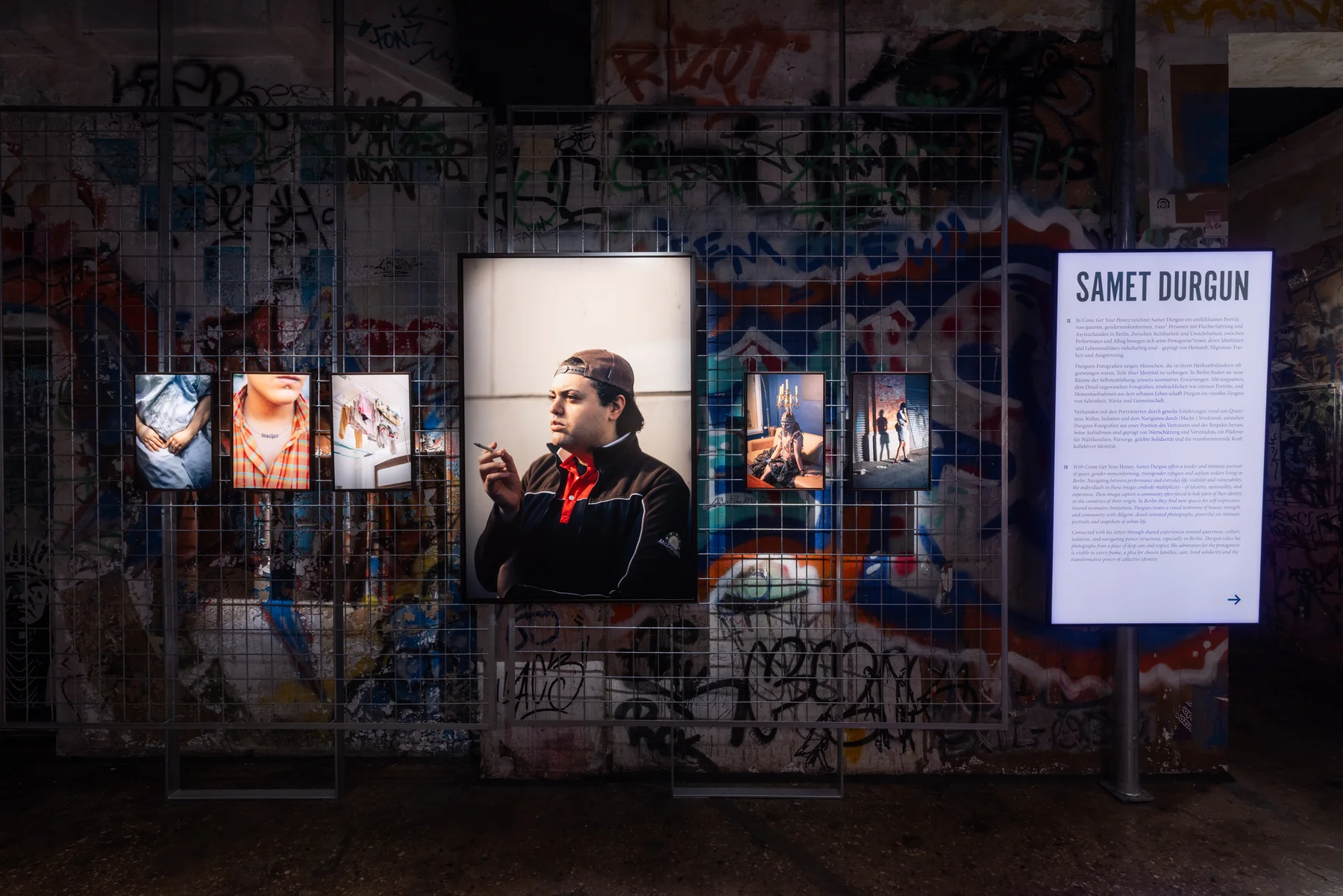
Come Get Your Honey Solo exhibition
 Kunstmuseum BrandtsOdense, Denmark · 2024–25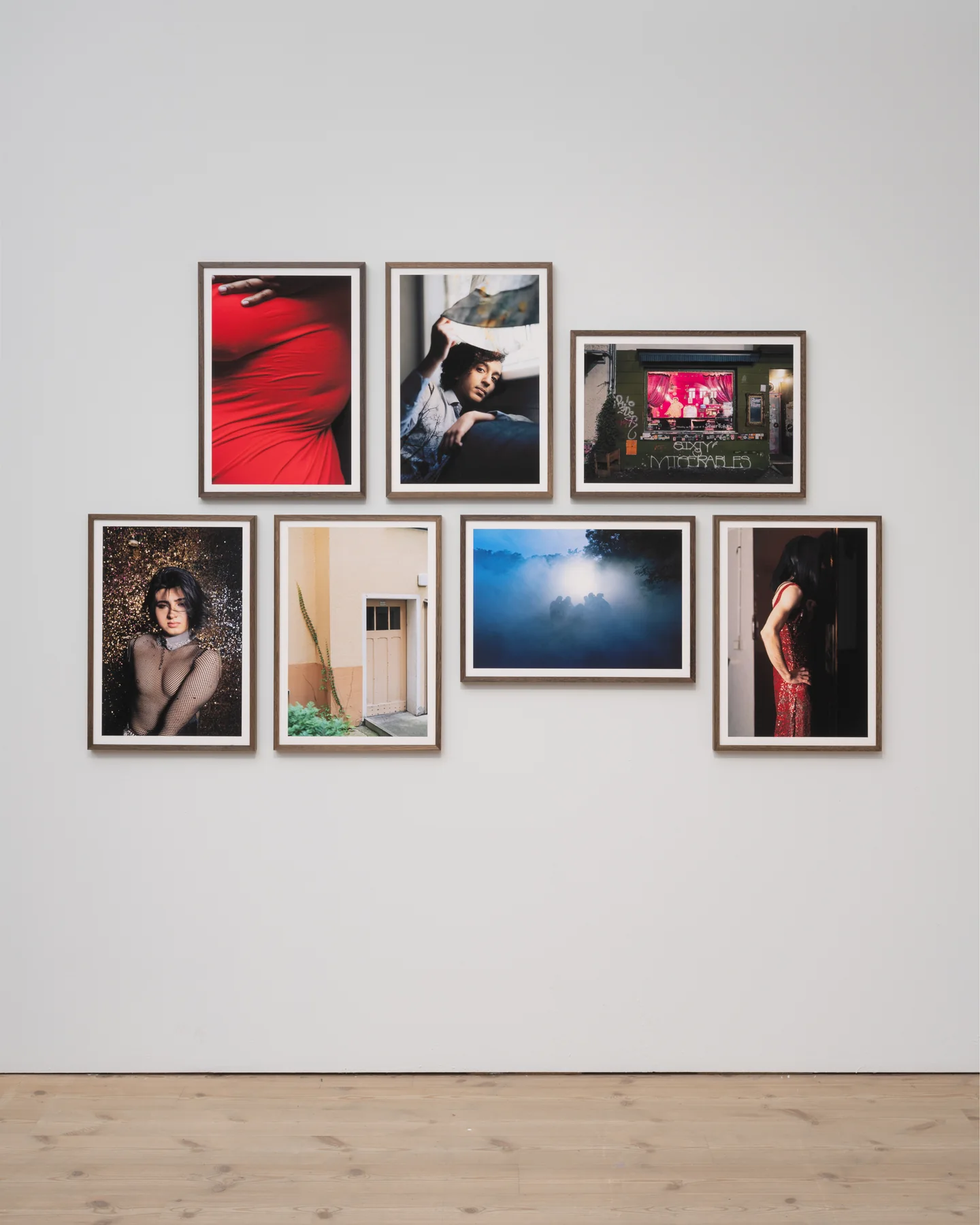
Love, Lust and Freedom Group exhibition
 Museum für FotografieBerlin, Germany · 2021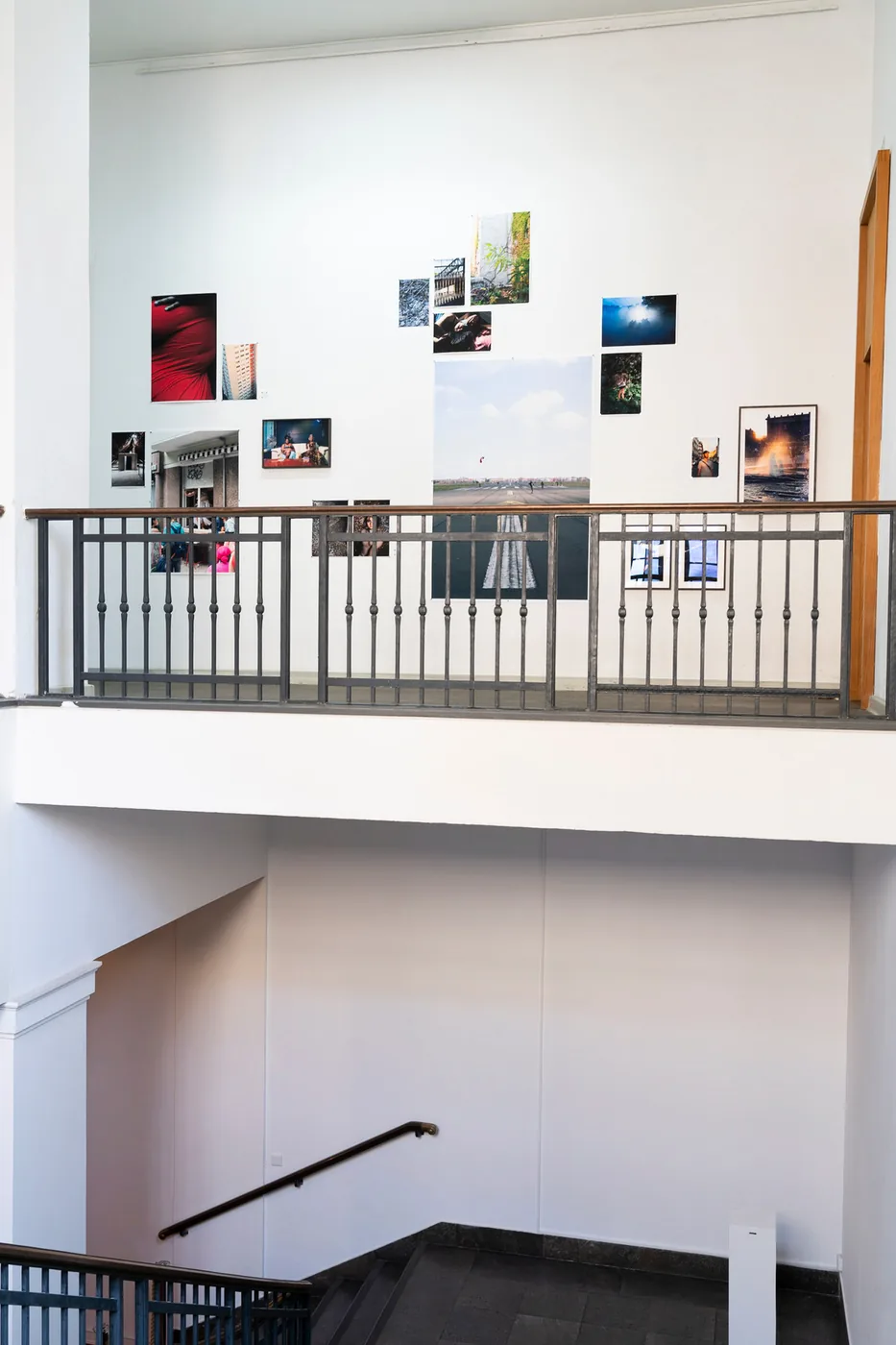
Seen By #15: Nothing Ever Happened (Yet) Group exhibition
Journal
Listening in Practice: How I Make Photographs With People
How I ask for consent and work with the people in Come Get Your Honey: meeting first, saying what I am doing, who chooses the pictures, and what I hold back.
Individual Presence: A Talk With Kylie Divon at Fotografiska Berlin
Samet Durgun and Kylie Divon at the Fotografiska Berlin opening of Come Get Your Honey, on consent, visibility and individual presence. Notes and transcript.
Photography as Listening: A Conversation About Come Get Your Honey
Photographer Samet Durgun on listening more than seeing, and making the photobook Come Get Your Honey in Berlin. Full talk and notes.
Field guides
Come Get Your Honey doesn't stand alone. Eleven field guides on where it sits. Seven cover the photographers and photobooks working near the same questions, and four more cover the artists doing the same in other media.
Photographers Working on Refugees, Forced Migration and Asylum
A field guide to photographers working on refugees, forced migration and asylum, showing where Come Get Your Honey sits among them and where it departs from the tradition.
Photographers Who Stayed: Migration Photography After Arrival
A field guide to migration photography after arrival: photographers who stayed with the same people in Europe for years, with a book or an exhibition to show for it. Where my own work sits.
Photographers of Queer Refugee Life in Germany
The photographers working, right now, at the specific intersection of queerness, asylum and life in Germany. It is a small field, and Come Get Your Honey is one part of it.
Queer Photographers From and Based in Germany
Queer photographers working in Germany, across generations and cities. This is the lineage Come Get Your Honey works inside, whether it announces itself as queer subject matter or not.
Queer Photographers in Berlin
The photographers of queer life in the city where I made Come Get Your Honey, from the West Berlin of the 1980s to the people working here now, on intimacy, nightlife, gender, migration and exile.
Emerging Queer Photographers Worldwide
Queer photographers early in their careers, working across six continents on migration, family, faith, land and the body. Come Get Your Honey belongs to this field as one entry among many.
Photobooks on Queer Refugees, Asylum and Migration
A field guide to the photobooks on queer refugees, asylum and forced migration, covering the small core shelf, the wider shelf around it, and where Come Get Your Honey sits on both.
Artists Working on Refugees, Forced Migration and Asylum
A field guide to filmmakers, writers, sound artists and sculptors working on refugees, forced migration and asylum, and where this work sits among them.
Artists Around Queer Refugee Life in Germany
The artists working across drag, theatre, literature, film and music where queerness and asylum meet in Germany, a field wider than photography.
Queer Artists From and Based in Germany
Queer artists from and based in Germany in painting, performance, film and the novel. This is the lineage beyond photography, from Weimar Berlin to now.
Emerging Queer Artists Worldwide
Queer artists early in their careers across six continents, working in sculpture, performance, film, sound, drag and writing on migration, faith and the body.
Press
Featured in














Information
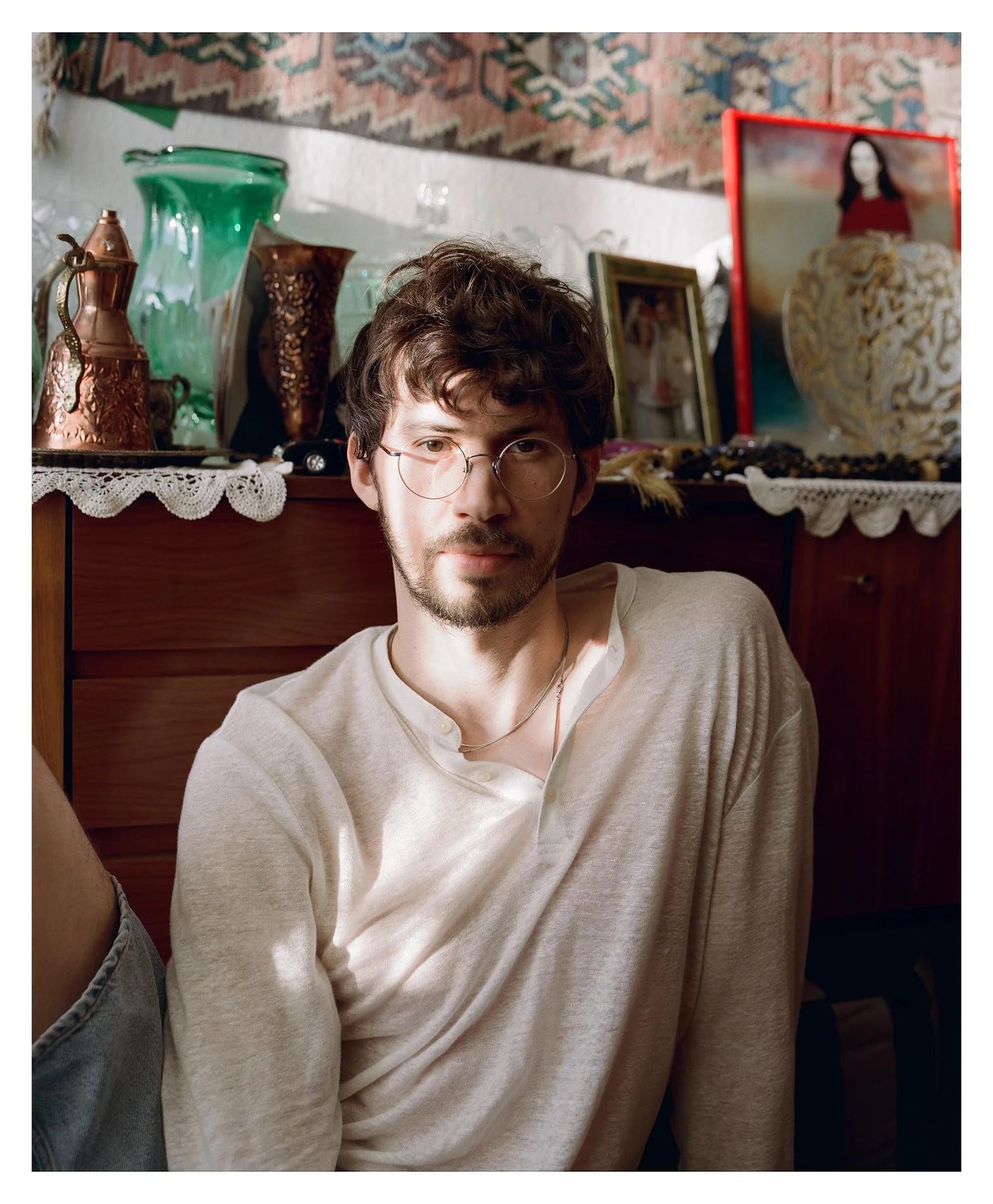
My work challenges the traditional view of photography as merely seeing, proposing that it can be more about listening. I seek to capture people in their wholeness, embracing their differences while recognizing the limitations of representation. My images reflect my personal relationships and impressions of their stories, making them a subjective representation of my own experiences.